
Author: nhsinstitute

  • Unlock the Secrets of the Prophetic Lifestyle: Your Guide to Longevity and Wellness

    Unlock the Secrets of the Prophetic Lifestyle: Your Guide to Longevity and Wellness

    [vc_row][vc_column][vc_column_text]Exploring the intersection of prophetic teachings and modern lifestyle medicine reveals timeless principles that promote health and longevity. Prophetic traditions, particularly those from Islamic teachings, offer holistic guidelines encompassing physical, mental, and spiritual well-being. Modern research increasingly supports these practices, highlighting their relevance in today’s health-conscious society.

    1. Introduction: The Prophetic Paradigm of Health

    Prophetic teachings, especially from the traditions of Prophet Muhammad (PBUH), emphasize a balanced lifestyle that nurtures the body, mind, and soul. These guidelines, rooted in centuries-old wisdom, align remarkably with contemporary health recommendations, underscoring their enduring value.

    2. Core Components of the Prophetic Lifestyle

    • Nutritional Guidance

    Prophetic traditions advocate for the consumption of natural, wholesome foods. For instance, barley is highlighted not only for its nutritional value but also for its healing properties, aiding in illness prevention and fever treatment.

    This emphasis on natural foods aligns with modern dietary advice that promotes whole grains and plant-based diets for optimal health.

    • Physical Activity and Movement

    Regular physical activity is integral to the prophetic lifestyle. Engaging in consistent movement not only maintains physical health but also enhances mental clarity and emotional stability. This holistic approach to activity mirrors current understandings of the interconnectedness of physical exercise and overall well-being.

    • Mental and Spiritual Well-being

    Practices such as prayers (for example – Salah: 5 daily prayers), meditation, and mindfulness are central to prophetic teachings. These activities foster a deep connection with the divine, promote inner peace, and reduce stress. Modern studies corroborate that such spiritual practices can lead to improved mental health and resilience against stress-related disorders.

    • Social Connections and Community Engagement

    Emphasizing community bonds and social interactions is a significant aspect of prophetic guidance. Strong social ties contribute to emotional support, a sense of belonging, and overall happiness, factors that are crucial for longevity. This focus on community aligns with research indicating that social connections are vital for mental and physical health.

    3.Modern Validation of Prophetic Practices

    Recent scientific studies have begun to validate the health benefits of practices rooted in prophetic traditions:

    • Fasting: Intermittent fasting, akin to Sunnah fasting, has been linked to improved metabolic health, weight management, and enhanced brain function.
    • Dietary Choices: The consumption of natural foods like barley, as recommended in prophetic teachings, is associated with reduced inflammation and better cardiovascular health.
    • Hydration: Proper hydration, emphasized in both prophetic guidance and modern health advice, is crucial for bodily functions, cognitive performance, and longevity.

    4.Practical Steps to Embrace a Prophetic Lifestyle

    Integrating prophetic principles into daily life can be both transformative and attainable:

    • Adopt a Balanced Diet: Incorporate whole grains, fruits, and natural foods into your meals, reflecting the simplicity and wholesomeness advocated in prophetic teachings.
    • Engage in Regular Physical Activity: Prioritize daily movement, whether through structured exercise or active living, to maintain physical health and mental clarity.
    • Cultivate Spiritual Practices: Dedicate time to prayer, meditation, or mindfulness to nurture your spiritual health and reduce stress.
    • Foster Social Connections: Engage with your community, build meaningful relationships, and offer support to others, enhancing your emotional well-being.

    5.Conclusion: Embracing Timeless Wisdom for Modern Health

    The prophetic lifestyle offers a comprehensive approach to health that harmoniously blends physical, mental, and spiritual practices. By embracing these age-old teachings, individuals can achieve a balanced life that promotes longevity and fulfillment.

    Begin your journey towards holistic well-being by integrating these prophetic principles into your daily routine. Start with small, consistent changes, and observe the profound impact on your health and happiness.

    For a deeper understanding and practical guidance, consider exploring resources that delve into the prophetic approach to health and longevity. Engage with communities and experts who can support and inspire you on this path to a balanced and fulfilling life.

    [/vc_column_text][/vc_column][/vc_row]

  • Outdoor Fitness: Daily Exercises for Fresh Air and Fun

    Outdoor Fitness: Daily Exercises for Fresh Air and Fun

    [vc_row][vc_column][vc_column_text]

    Introduce Yourself to the Great Outdoors

    Exercising outdoors can be refreshing and rejuvenating.  Maybe it is that fresh morning air or the feel of the sun on your skin.  Whatever outdoor fitness routine you decide is more refreshing, one thing is for sure, it beats doing the same old routine in the gym. In this article, we will guide you through some daily exercises that can be done outdoors by incorporating fun activities into a fitness workout.

    1. Benefits of Outdoor Fitness

    Also, leaving the gym past its opening into nature has great benefits. A change of scenery will often be a boost for your mood and a good stress reliever. Plus, natural light assists in the production of vitamin D in your body for good bone health and an improved immune system. Another plus for outdoor training is the involvement of more muscles in the body because of varying terrains and natural resistance.

    “Why pound away on the treadmill when you can be out pounding the trails, blowing wind in your hair, and soaking in the pure beauty around you?”

    2. Walking and Jogging: Simple Yet Effective

    This might be just a walk or jog around your local park or even through your neighbourhood. It is low impact, doesn’t require special equipment, and lets you enjoy the surroundings around you while being in motion. Consider the addition of brisk intervals of walking or jogging to dare your endurance.

    “So, lace up those sneakers and head outside—your neighbourhood just became your new fitness track.”

    3. Body Weight Exercises: Strength Training Without Weights

    You don’t require any dumbbells to get going on strength. Use benches at the park for tricep dips, tree branches for pull-ups, or the nice soft grass for push-ups and planks. This another great outdoor fitness activity, so your bodyweight exercises will easily adapt to your surrounding environment easily.

    “Who needs a gym when the world outside is your personal training ground?”

    1. Cycling: Fun on Two Wheels

    Cycling adds on to being just a really good cardiovascular workout and turns into a great way of seeing the surrounding areas. Whether you’re riding through city streets or country trails, cycling gets your heart pounding, legs in top condition, and improves balance.

    “Feel the rush of wind when pedalling towards a healthier version of yourself.”

    5. Meditation and Stretching: Get Peaceful Mind

    Outdoor meditation – all the benefits of indoor meditation, but just amped up by all the nature around – it seriously challenges your balance with the uneven grass below. Fresh air and best breathing — to be grounded completely.

    “Unroll your mat, take a deep breath, and let nature guide your flow.”

    6. Hikes: Nature’s Stairmaster

    If trails or hills are nearby, hiking becomes a wonderful way to receive a full-body workout. The mixed ground will make your muscles work differently than flat ground, and the uphill sections are great cardio. Besides, add a bit of an adventurous, exploring feeling—it’s fun.

    “Why hit the Stairmaster when you can conquer a mountain instead?”

    7. Group Sports: Fitness with Friends

    Sometimes the motivation is just good times with friends. Try to get into a soccer, basketball, or volleyball game at the local court or field, or round up friends for a casual game of frisbee. The sport involves the use of cardio, strength, and coordination—which is necessary in such activities—all while having a great time in the process.

    “Get your heart pumping and your competitive spirit soaring with a friendly game in the park.”

    8. Swimming: Dive into Fitness

    When you live close to a beach, lake, or pool, take advantage of swimming as one of the best workout options for your entire body. It provides resistance for muscle tone but is gentle on your joints. The added advantage is the refreshing feel you will get from the cool water when you swim, particularly on a hot day.

    “Make a splash with your fitness routine by diving into the nearest body of water.”

    9. Mindful Cool-Down: Reflect and Relax

    After a day outdoors, cool down with a slow walk or some gentle stretching. This helps the muscles to recover while you reflect on the accomplishments of the day. The natural environment can also be a great way to unwind.

    “Finish your outdoor adventure with a moment of calm, letting your body and mind relax.”

    10. Build a Routine: Make It a Habit

    The key to getting outdoors is consistency. Start by slotting some days of the week out of your whole week for outdoor workouts. Whether it’s a jog in the morning, a hike in the afternoon, or some meditation in the evening, such a routine helps to keep you committed and enjoy long-term benefits.

    “Turn your outdoor fitness adventures into a habit by setting a schedule that works for you.”

    Conclusion: Embrace the Outdoors Fitness

    Outdoor fitness is more than just exercise; it’s a way to be reconnected with the outside world, enjoy the fresh air, and experience fun in your workout regimen. So next time you think “gym,” maybe step outside instead. Why not take advantage of the world being your playground?

    Want to create your own daily outdoor exercise routine? Check out our fitness programs for expert guidance and inspiration.

    [/vc_column_text][/vc_column][/vc_row]

  • Stress Less, Live More: Daily Practices for Calm and Balance

    Stress Less, Live More: Daily Practices for Calm and Balance

    [vc_row][vc_column][vc_column_text]

    Introduction

    Modern, fast life—seems like there is a huge connection with stress today. Deadlines at work, personal chores, just life in general: stress creeps into our lives and robs us of peace. But it does not have to be that way anymore. Practice some daily effective rules to control stress and then live peacefully once again. Now let’s look in more detail at how to stress less and live more.

    Understand Stress: A First Step to Managing It

    Before delving into the practices that can help one attain calm, an imperative step is to understand what stress is and how it impacts you as a person. Stress, in simple terms, is the natural response in your body when a threat or challenge is encountered. While a little stress may give a push or get you moving, lots of stress, or chronic stress is bad for your health.

     What Happens When You’re Stressed?

    When an individual is stressed, the body releases cortisol and adrenaline. These hormones will put the body into a “fight or flight” mode, raising the rate of the heart, tensing up the muscles, and increasing its concentration. This response is beneficial in small doses but can actually be bad for the health in large increments. It can lead to anxiety disorders, depression, and even heart diseases.

    Stress That Needs to Be Managed on a Daily Basis

    Stress management does not fully concern the elimination of stress—this is impossible. Instead, it ensures that one keeps it at a level that allows management of daily activities. Daily practices will help you get to this point of finding a balance that will ensure that the stress does not overwhelm you.

    Practice Mindfulness to Stay Grounded

    Mindfulness is the act of being in the moment—sans judgment. Easy in theory, yet oh-so potent if practiced effectively, it can manage stress. When you are mindful, you’re not worried about the past or the future; you dwell in the present.

    How to Practice Mindfulness Daily

    1. Morning Mindfulness: Spend a few minutes with the beginning of the day on mindful breathing: quiet down, shut your eyes, turn your attention to the breath—breathe clearly in; then, out slowly; without holding on to any thoughts that might pop up in your head.
    1. Mindful Eating: Take note of the taste, feel, and smell of your food. Eat slowly, savoring every bite, and refrain from distractions like watching TV or being on your phone.
    1. Mindful Movement: Whether it’s meditation, walking, or stretching, it’s activities that get you conscious about your body and breath.

    Add Some Physical Activity to Let Off Steam

    Exercise is one of the most natural stress-relieving devices. It reduces stress hormones and leads to the production of endorphins, the body’s natural mood-boosters. Plus, regular physical activity improves sleep which, often a casualty to stress.

    Daily Physical Activity Tips

    – Morning Stretching: Engage in simple morning stretches to release muscle tension.

    – Walk it Out: When on break, walk or move around briefly. This activity helps to clear your mind and get the blood in your system moving.

    – Evening Exercise: Light exercising should be part of your evening routine. This might be in the form of meditation or a cycle ride to ensure that you remain up-and-about.

    Nourish your Body with Balanced Nutrition

    You could actually feel a big difference in what you’re eating. After all, foods that are nutrient-dense can help maintain your mood balanced and fuel you with the energy to counteract the stress.

    Foods you should consume to reduce stress

    • Leafy Greens: Rich in magnesium to help regulate cortisol levels.
    • Berries: Full of antioxidants that fight oxidative stress
    • Nuts: Full of healthy fats and magnesium that both reduce anxiety.

    Want to make your own daily detox? Check out our Health and Wellness programs for more advice on optimal nutrition and holistic health.

    Sleep for Recovery and Balance

    If there is one universal rule no matter how healthy you choose to live it is that you will die without sleep. Poor sleep only serves to increase your stress levels, and spirals you into a loss of sleep cycle. Breaking this cycle- means getting better sleep.

    Better Sleep Tips

    1. Fixed Routine: Be regular about going to bed and getting up on exactly the same times every day, even on weekends.
    2. Winding Down : Spend a part of your time just unwinding with a good book, some soft music, or a warm bath
    3. Curtail Screen Time : Try not to go near an electronic screen at least an hour before sleep since blue light tends to hamper sleep.

    Practice Gratitude to See Things Differently

    Gratitude is an antidote against stress. When you focus on what you are grateful for, your mind shifts from thinking about lack to abundance, hence cutting out stress.

    Practices of Gratitude Every Day

    * Morning Gratitude: Every morning, make it a point to jot down three things you’re thankful for.

    * Gratitude Journal: Keep a journal with you and jot down those moments when you’re grateful in the day.

    – Evening Reflection: As you retire to bed, think through your day and list some of the good times, no matter how little.

    Create Boundaries to Safeguard Your Serenity

    Life today is all go-go-go. It’s too easy to take on way too much. Setting boundaries is an art that helps you deal with your stress levels and keeps you in balance.

    How to Set Healthy Boundaries

    – Learn to Say No: You don’t have to be compelled to agree on everything that is asked of you. Mananam diplomatically refuses assignments or tasks that are not aligned with priorities or capacity.

    – Setting Work Limits: Make clear work hours and avoid taking your work back home. If you work from home, then ensure you create a dedicated workspace so that you “leave” your job at the end of the day.

    Limit Social Media: Social media can be a large stressor. Decide specific times to check it, and try not to scroll aimlessly.

    Do Things You Enjoy

    The most effective tools in the fight against stress are the things you can do that bring you joy. Hobbies, creative activities, and time with loved ones all have the potential to recharge your batteries and feel balanced.

    Activities to Bring Joy into Your Day

    – Schedule “Me” Time: Make sure to include some time in your day for something you like to do—be it reading, gardening, or even crafting.

    – Connect with Loved Ones: Be surrounded by loved ones who give you love and support.

    – Explore New Hobbies: Paint, dance, or cook new recipes since this involves trying something new and thus exciting.

    Don’t Hesitate to Seek Support if You Need It

    There is no shame in asking for help when feeling overwhelmed. Sometimes, talking to a friend, therapist, or coach can put things in perspective and give you the support you need for dealing with stress.

    Seeking Support

    – Talk to a Friend: Share your feelings with someone you trust. Sometimes, just being heard can make all the difference.

    – Consider Therapy: A therapist may be able to help you develop a plan of coping strategies that work for your needs.

    Join a Support Group: Connect with others who may be experiencing the same problems to draw solace from their comfort and find practical advice.

    Conclusion: Live a Balanced Life

    Stress is an inevitable part of life, but it doesn’t have to control you. By incorporating these daily practices into your routine, you can reduce stress, improve your well-being, and live a more balanced life.

    Remember, small changes can add up. Start with one or two practices, and then expand from there. Next thing you know, you will be living a life with less stress and more joy.

    Want to create your own daily practice? Check out our Health and Wellness Programs for personalized guidance on stress management and overall well-being.

    [/vc_column_text][/vc_column][/vc_row]
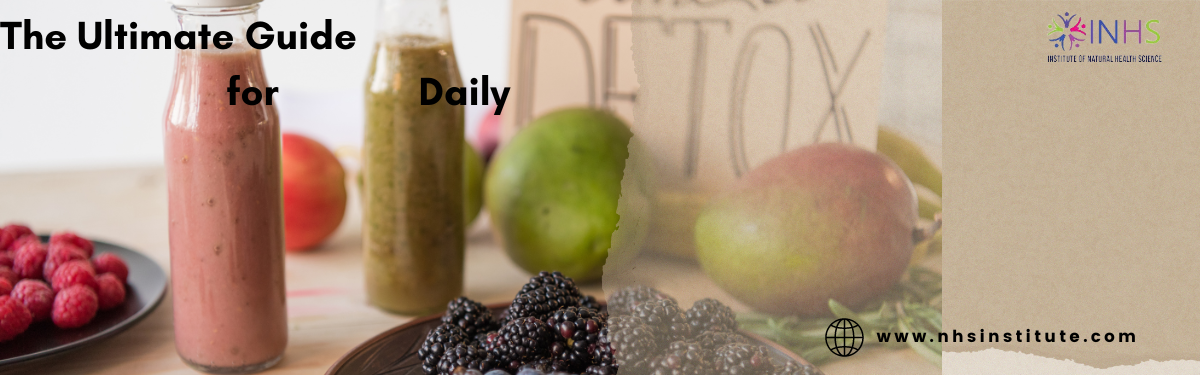
  • The Ultimate Guide to a Daily Detox: A Week-Long Plan to Reset Your Body

    The Ultimate Guide to a Daily Detox: A Week-Long Plan to Reset Your Body

    [vc_row][vc_column][vc_column_text]

    Introduction

    Our fast-paced world tends to leave our bodies by the wayside. The result? Feeling sluggish, bloated, and out of sync. Enter a daily detox. But forget extreme cleanses and fad diets—you don’t need to deprive yourself to reset your body. Think of this weeklong detox more as a little nudge to get your body doing what it naturally does: detoxifying.

    This guide will walk you through a doable, realistic approach to daily detoxing that fits well into your routine. We’ll be talking about simple, effective habits to raise your energies, clarity, and balance. And remember, if you want to create your very own daily detox, check our Nutrition Programs for personalized guidance.

    Day 1: Hydration is Key

    Start uncomplicated and develop a very simple habit: drink more water. Always keep yourself well-hydrated to help your body remove all the toxins it is subjected to and keep organs working smoothly. One should at least consume 8 glasses of water throughout the day. Make it more effective by starting your morning with a glass of warm lemon water to not only kick-start your hydration but also kick-start your metabolism and boost digestion.

    Pro Tip: Carry a reusable water bottle with you as a constant reminder to sip throughout the day.

    Day 2: Nourish with Nutrient-Rich Foods

    On day two, focus on fueling your body with nutrient-dense foods. Think leafy greens, colorful vegetables, and antioxidant-rich fruits. These foods give your body all the essential vitamins and minerals necessary to support the main detoxifying organs—the liver, kidneys, and digestive system.

    Eat a variety in the whole food department and avoid foods that are processed and bog you down. A balanced plate of lean protein, healthy fat, and complex carbs can stabilize your energy levels throughout the day and also provide satiety.

    Pro Tip: Add a green smoothie to your daily routine. Blend spinach, kale, cucumber, apple, and a squeeze of lemon for a detoxifying, nutrient-packed drink.

    Day 3: Prioritize Sleep and Rest

    Day three is all about rest and recovery. Quality sleep is important in the body’s natural detoxification processes. When you are asleep, your body is repairing cells, removing waste products, and balancing hormones.

    Devise a bedtime routine that would calm your body, without any screens an hour prior to bed, and take a warm bath. You can spend time reading instead of using any device. 7-9 hours of uninterrupted sleep will fully reset your body.

    Pro Tip: Sip on a cup of herbal tea, like chamomile or lavender, before bed to promote relaxation.

    Day 4: Move Your Body

    Exercise is an integral part of any detox program. On day four, do some kind of exercise you like: meditation class, brisk walking, dancing. Exercise will get you moving and promote lymphatic circulation while also allowing the toxins to be sweated out of the body.

    If you’re new to exercise, start with 20-30 minutes of moderate activity. As you become more fit, you can gradually increase your intensity and duration. The key is to find something you enjoy; then, it doesn’t feel so much like a chore.

    Pro Tip: Combine cardio with strength training exercises to maximize the detox benefits and boost your metabolism.

    Day 5: Mindful Eating and Digestion

    On day five, make sure to practice mindful eating. This is the act of giving full concentration to the experience of eating and drinking: savoring your food, eating slowly, and monitoring the body’s hunger and fullness cues.

    This will make you more fully engaged in the pleasure of food, while at the same time, make digestion more efficient so that your body is able to digest properly and distribute nutrients from the foods eaten. Try not to have distractions like television or engagement with your phone while eating. Instead, chew your food.

    Pro Tip: Start your meal with a small salad or a light soup to prime your digestive system.

    Day 6: Detox Your Mind

    A detox isn’t just about the body; your mind needs cleansing too. On the sixth day, this is all about mental clarity. Take a little time to do something that clears out your mind. Meditate, do deep breathing exercises, or even do some journaling. Activities such as these will reduce stress, which is not only required for good health but often acts as a booster for physical well-being.

    Meditate every day for ten minutes, and you will find how highly noticeable the reduction in stress levels becomes, with focus and emotional balance improving a lot. You will begin to see that having clearer thoughts implies being able to make better decisions and maintaining healthier habits.

    Pro Tip: Try a digital detox by unplugging from social media and other distractions for a few hours each day.

    Day 7: Reflect and Plan Ahead

    Well, here we are on day seven, so take a moment to reflect on your journey. Think about how you are feeling after seven days of detoxing. Are you feeling more energized, focused, and in tune with your body? Use this reflection as a forward look at what extended detox habits you want to include in your daily life.

    You may wish to set new health goals or even weeks for detoxing on a regular basis to maintain premier health of the body and mind. Keep in mind that detoxing is not just an event, but an ongoing process for improving health.

    Pro Tip: Create a weekly meal plan and include detox-friendly foods to maintain your progress.

    Conclusion: Embrace the Detox Lifestyle

    Detoxing does not need to be extreme or hard; small changes that are practical to make will give your body that extra help it needs to go through the natural detoxification processes and give you some extra health benefits. This one-week guide presents a realistic approach toward detoxing in a way that fits into everyday life.

    If you are empowered to take your health journey one step further and want to create your personal daily detox, then head to our Nutrition Programs. Each will provide you with the expert guidance—tailored to your individual needs—to build a wellness routine really sustainable in the long term.

    Want to create your own daily detox? Check out our Nutrition Programs and start your journey to better health today!

    [/vc_column_text][/vc_column][/vc_row]

  • The Ultimate Guide to Creating a Holistic Home Gym

    The Ultimate Guide to Creating a Holistic Home Gym

    [vc_row][vc_column][vc_column_text]

    Introduction: Embrace Holistic Fitness at Home

    It’s a great idea to create a home gym for keeping fit, but have you considered developing the space holistically? A holistic home gym not only serves your physical fitness but also your mental and emotional well-being. In this guide, we are going to show you how you can set up your home gym in keeping with a holistic approach toward fitness. Here you’ll find practical tips and insights on setting up your road toward attaining overall well-being.

    [/vc_column_text][vc_separator][vc_column_text]

    Why Choose a Holistic Home Gym?

    A holistic home gym goes beyond traditional workouts, embracing a balanced approach to health.

    Physical, Mental, and Emotional Well-being: Holistic fitness is about integrating mind, body, and spirit. This means creating a space that not only encourages physical exercise but also mental clarity and emotional balance.

    Personalized Space: Your home gym should reflect your personal fitness goals and preferences. Whether you’re into stretching, weightlifting, or meditation, a holistic approach ensures you have the tools and environment you need.

    Sustainable Fitness: By addressing all aspects of well-being, a holistic home gym promotes sustainable fitness habits. This approach helps prevent burnout and keeps you motivated.

    [/vc_column_text][vc_separator][vc_column_text]

    Planning Your Holistic Home Gym

    Before you start buying equipment, take some time to plan your holistic home gym.

    Assess Your Space: Identify a suitable area in your home. It doesn’t need to be huge; even a small, dedicated corner can work. Ensure it’s a space where you feel comfortable and can focus on your workouts without distractions.

    Set Clear Goals: What are your fitness goals? Are you looking to build strength, improve flexibility, or enhance your mental well-being? Having clear goals will help you choose the right equipment and activities for your gym.

    Budget Considerations: Determine how much you’re willing to spend. A holistic home gym doesn’t have to be expensive. Prioritize essential items and consider DIY options for certain equipment.

    [/vc_column_text][vc_separator][vc_column_text]

    Essential Equipment for a Holistic Home Gym

    Equipping your holistic home gym with the right tools is crucial for a balanced workout.

    Exercise Mat: A good-quality exercise mat is essential for stretching,  and meditation. Look for a non-slip, durable mat that provides adequate cushioning.

    Resistance Bands: These versatile tools are great for strength training and stretching. They’re inexpensive and take up very little space.

    Dumbbells or Kettlebells: Incorporate weight training into your routine with a set of dumbbells or kettlebells. Choose weights that are appropriate for your strength level and fitness goals.

    Stability Ball: This piece of equipment is excellent for core workouts and can also be used as a chair to improve posture.

    Foam Roller: A foam roller is perfect for muscle recovery and relieving tension. It’s a great tool for self-massage and improving flexibility.

    Meditation Cushion or Chair: For your mental and emotional well-being, include a comfortable cushion or chair for meditation and mindfulness practices.

    [/vc_column_text][vc_separator][vc_column_text]

    Creating a Calming Environment

    A holistic home gym should be a sanctuary that promotes relaxation and focus.

    Lighting: Natural light is ideal, but if that’s not possible, use soft, warm lighting. Avoid harsh, bright lights that can be distracting.

    Aromatherapy: Essential oils like lavender, eucalyptus, and peppermint can enhance your workout experience. Use a diffuser to fill your space with calming scents.

    Sound: Play soothing music or nature sounds to create a peaceful atmosphere. You can also use a white noise machine to block out external distractions.

    Decor: Keep your gym clutter-free. Add elements like plants, inspirational quotes, and calming colors to make the space inviting and motivating.

    [/vc_column_text][vc_separator][vc_column_text]

    Incorporating Mindfulness Practices

    Mindfulness is a key component of a holistic fitness approach.

    Meditation: Dedicate a portion of your gym to meditation. These practices improve flexibility, strength, and mental clarity.

    Breathwork: Practice breathwork exercises to enhance relaxation and focus. Techniques like deep breathing and box breathing can be incorporated into your routine.

    Mindful Movement: Engage in activities that combine physical exercise with mindfulness, such as Tai Chi or Qigong. These practices emphasize slow, deliberate movements and mental presence.

    [/vc_column_text][vc_separator][vc_column_text]

    Designing a Balanced Workout Routine

    A holistic workout routine should address all aspects of fitness: strength, flexibility, and endurance.

    Strength Training: Include weightlifting, resistance band exercises, or bodyweight workouts to build muscle and improve bone density.

    Cardio: Choose cardiovascular exercises that you enjoy, such as dancing, cycling, or brisk walking. Aim for at least 150 minutes of moderate-intensity cardio per week.

    Flexibility and Mobility: Incorporate stretching or Pilates to enhance flexibility and prevent injuries.

    Recovery: Don’t forget to include rest days and recovery practices like foam rolling and stretching. Adequate recovery is essential for overall fitness and well-being.

    [/vc_column_text][vc_separator][vc_column_text]

    Holistic Nutrition for Optimal Performance

    Nutrition plays a crucial role in supporting your holistic fitness journey.

    Balanced Diet: Focus on a diet rich in whole foods, including fruits, vegetables, lean proteins, and healthy fats. Avoid processed foods and sugary drinks.

    Hydration: Stay hydrated by drinking plenty of water throughout the day. Proper hydration supports physical performance and mental clarity.

    Supplements: Consider adding supplements to your diet if needed. Common supplements for fitness enthusiasts include protein powder, omega-3 fatty acids, and multivitamins. Consult with a healthcare professional before starting any new supplement regimen.

    Mindful Eating: Practice mindful eating by paying attention to your hunger and fullness cues. Avoid distractions during meals and savor each bite.

    [/vc_column_text][vc_separator][vc_column_text]

    The Role of a Holistic Fitness Coach

    A holistic fitness coach can guide you on your journey to overall wellness.

    Personalized Guidance: A holistic fitness coach provides personalized fitness plans that address your unique needs and goals. They can help you create a balanced workout routine and offer support in areas like nutrition and mindfulness.

    Accountability: Having a coach can keep you accountable and motivated. Regular check-ins and progress tracking ensure you stay on track with your fitness goals.

    Education and Support: Holistic fitness coaches educate you about the importance of integrating mind, body, and spirit in your fitness journey. They offer ongoing support and encouragement to help you achieve long-term success.

    [/vc_column_text][vc_separator][vc_column_text]

    Conclusion: Embrace Holistic Fitness at Home

    A home gym, in essence, is a great investment toward your general health.

    By optimizing your space intelligently, choosing the right equipment, and putting mind over matter, you can create a home gym to underpin your complete health. Always remember that a holistic approach to fitness is a balanced and sustainable one. Take that first step today, and make your fitness regime an enduring quest for lifelong health and wellness.

    Final Thought:

    A holistic home gym is more than just a place to work out—it’s a sanctuary for nurturing your mind, body, and spirit. Start building your holistic home gym today and experience the difference it can make in your life!

    [/vc_column_text][/vc_column][/vc_row]

  • Understanding How Nutrients Can Help Different Types of Headaches

    Understanding How Nutrients Can Help Different Types of Headaches

    [vc_row][vc_column][vc_column_text]

    Introduction: How Nutrients Can Relieve Headache Pain

    Headaches are a common ailment that can significantly impact your quality of life. Whether it’s a migraine, sinus headache, cluster headache, or tension headache, understanding how specific nutrients can alleviate these pains can be life-changing. In this guide, we’ll explore which vitamins and minerals can help with different types of headaches and why they’re effective. Plus, we’ll discuss how our Health and Wellness Coach Program can provide you with the knowledge to manage and prevent headaches naturally.

    Migraines: Managing Pain with Magnesium and B Vitamins

    Migraines can be debilitating, but certain nutrients can help reduce their frequency and severity.

    Magnesium: This essential mineral is crucial for muscle and nerve function. It can help manage migraine symptoms by:

    • Reducing Frequency and Severity: Magnesium helps relax muscles and nerves, which can decrease the occurrence of migraines.
    • Sources: Include dark leafy greens, nuts, seeds, and whole grains in your diet.

    Vitamin B12: Vital for nerve health, B12 supports brain function and can prevent migraines by:

    • Reducing Nerve Inflammation: This vitamin helps maintain the health of nerve cells, reducing inflammation that can trigger migraines.
    • Sources: Found in fish, meat, poultry, eggs, and dairy products.

    Vitamin B6: This vitamin regulates neurotransmitters, which can alleviate migraine symptoms by:

    • Balancing Brain Chemistry: B6 helps produce neurotransmitters like serotonin and dopamine, which can reduce the likelihood of migraines.
    • Sources: Include poultry, fish, potatoes, and non-citrus fruits.

    Sinus Headaches: Boosting Immunity with Vitamin C and Zinc

    Sinus headaches often result from inflammation and congestion, and certain nutrients can provide relief.

    Vitamin C: Known for its immune-boosting properties, Vitamin C can ease sinus headache pain by:

    • Reducing Sinus Inflammation: This vitamin helps decrease inflammation and congestion in the sinuses.
    • Sources: Citrus fruits, strawberries, bell peppers, and broccoli are rich in Vitamin C.

    Zinc: This mineral supports immune function and can help with sinus headaches by:

    • Reducing Infection Duration and Severity: Zinc can shorten the duration of sinus infections and ease related headaches.
    • Sources: Found in meat, shellfish, legumes, seeds, and nuts.

    Cluster Headaches: Alleviating Pain with Magnesium and Vitamin D3

    Cluster headaches are extremely painful, but specific nutrients can help manage them.

    Magnesium: This mineral helps by:

    • Relaxing Blood Vessels: Magnesium improves blood flow to the brain, which can reduce the pain of cluster headaches.
    • Sources: Dark leafy greens, nuts, seeds, and whole grains are good sources of magnesium.

    Vitamin D3: This vitamin can help with cluster headaches by:

    • Reducing Inflammation: Vitamin D3 supports neurological health and reduces inflammation.
    • Sources: Fatty fish, fortified dairy products, and sunlight exposure can boost your Vitamin D3 levels.

    Tension Headaches: Reducing Stress with Magnesium and Ashwagandha

    Tension headaches are often caused by stress, and managing stress can help prevent these headaches.

    Magnesium: This mineral can reduce tension headaches by:

    • Relaxing Muscles: Magnesium helps relax muscles and reduce stress, common triggers for tension headaches.
    • Sources: Include dark leafy greens, nuts, seeds, and whole grains in your diet.

    Ashwagandha: An adaptogen, Ashwagandha can prevent tension headaches by:

    • Balancing Cortisol Levels: This herb helps the body cope with stress, reducing tension and promoting relaxation.
    • Sources: Ashwagandha supplements are widely available.

    Tips for Incorporating These Nutrients into Your Diet

    Incorporating these nutrients into your daily diet can significantly help manage and prevent headaches.

    • Food Sources: Aim to get your nutrients from whole foods whenever possible. Fresh fruits, vegetables, lean proteins, and whole grains are excellent choices.
    • Supplements: If you find it challenging to get enough of these nutrients from food alone, consider taking supplements. However, always consult with a healthcare professional before starting any new supplement regimen.

    Learn More with Our Health and Wellness Program

    Understanding how nutrition impacts your health is a vital step towards overall well-being.

    Our Health and Wellness Program can equip you with the knowledge and skills to manage and prevent headaches naturally. You’ll learn about the importance of nutrition, stress management, and lifestyle changes in promoting health.

    Conclusion: Empower Yourself with Nutritional Knowledge

    Empowering yourself with knowledge about how nutrients can alleviate different types of headaches is a powerful step towards better health.

    By incorporating these nutrients into your diet, you can manage and prevent migraines, sinus headaches, cluster headaches, and tension headaches. For a deeper understanding and more personalized guidance, explore our Health and Wellness Coach Program. Take charge of your health today and feel the difference!

    [/vc_column_text][/vc_column][/vc_row]