Images

  • Exploring the Connection Between Exercise and Mental Health

    Exploring the Connection Between Exercise and Mental Health

    [vc_row][vc_column][vc_column_text]

    The Interplay Between Fitness and Emotional Well-being: A Deep Dive

    In the current high-octane world, maintaining psychological health is as essential as physical well-being. Though the physical enhancements from fitness are frequently discussed, its effect on psychological health is equally profound. This article delves into the intricate relationship between fitness and emotional wellness, demystifying the science behind it, and offering practical ways to leverage these advantages.

    The Scientific Link: Fitness and Psychological Health

    Participating in regular fitness activities is scientifically proven to positively influence mental health. Engaging in physical activities triggers our bodies to produce endorphins, the hormones responsible for inducing feelings of happiness and euphoria. These biochemical agents interact with the brain’s receptors, decreasing our pain perception and inducing positive feelings. Besides, fitness activities stimulate the release of neurotransmitters such as serotonin and dopamine, which are essential in mood regulation and fostering a sense of well-being.

    The Role of Endorphins in Promoting Psychological Health

    Endorphins, often dubbed “the feel-good hormones,” have an incredible role in managing stress and anxiety. Regular fitness activities stimulate the production of these biochemical agents that interact with the brain’s receptors, reducing the perception of discomfort and promoting feelings of happiness.

    Neurotransmitters: The Mood Regulators

    Neurotransmitters like serotonin and dopamine play critical roles in regulating emotions and mental health. Engaging in regular fitness activities stimulates the production of these neurotransmitters, thereby promoting a sense of well-being.

    Fitness: A Natural Stress Buster

    Physical activities serve as an effective stress reliever, helping to reduce tension and improve mental clarity. Regular fitness activities can help individuals manage their stress levels and foster mental clarity.

    The Correlation Between Fitness and Cognitive Function

    Several studies have shown that regular fitness activities can enhance cognitive functions, memory, and concentration. This contributes to improved mental acuity, thereby promoting overall mental health.

    Fitness and Self-esteem

    Regular fitness activities can significantly boost self-esteem and confidence levels. This empowers individuals to handle life’s challenges with resilience, thereby promoting overall mental well-being.

    The Impact of Physical Activity on Mental Health

    1. Endorphins: These are the body’s natural painkillers and mood elevators. Exercise stimulates the production of these hormones, helping to alleviate stress and anxiety.
    2. Serotonin and Dopamine: These neurotransmitters play a crucial role in mood regulation. Regular fitness activities stimulate their production, promoting a sense of well-being.
    3. Stress Relief: Physical activity acts as a natural stress reliever, helping to reduce tension and improve mental clarity.
    4. Cognitive Function: Exercise can enhance cognitive function, memory, and concentration, contributing to mental acuity.
    5. Self-esteem: Regular fitness activities can boost self-esteem and confidence levels, empowering individuals to handle life’s challenges with resilience.

    As we embark on this journey of understanding the link between fitness and mental health, let’s not forget the wise words of John F. Kennedy: “Physical fitness is not only one of the most important keys to a healthy body, it is the basis of dynamic and creative intellectual activity.” So let’s prioritize our mental health and embrace the transformative benefits of fitness, one step, and one workout at a time.

    By prioritizing our mental health and embracing the transformative benefits of fitness, we can improve our overall well-being, one step, and one workout at a time.

    Fitness plays a pivotal role in promoting mental health.

    “Physical fitness is not only one of the most important keys to a healthy body, it is the basis of dynamic and creative intellectual activity.” – John F. Kennedy

    Conclusion

    The intricate link between fitness and mental health is undeniable. Incorporating regular physical activities into our daily lives can result in significant improvements in mood, stress levels, cognitive function, and overall well-being. Whether it’s a casual nature walk, an intense cardio session, or a calming yoga practice, finding activities we enjoy and align with our fitness goals can significantly boost our mental health. If you’re passionate about helping others achieve their goal through fitness, consider enrolling in our Holistic Fitness Coach (Diploma) program at the Institute of Natural Health Science (INHS). Make a difference in the world by starting the journey to become a certified fitness expert![/vc_column_text][/vc_column][/vc_row]

  • Nourishing Your Body: The Impact of Nutrient-Rich Foods on Your Health

    Nourishing Your Body: The Impact of Nutrient-Rich Foods on Your Health

    [vc_row][vc_column][vc_column_text]

    Introduction to the importance of nutrition for overall health

    As an individual who values my health and well-being, I have come to recognize the vital role that nutrition plays in maintaining a healthy body and mind. Nutrition is the foundation upon which our overall health is built, and it is essential for us to understand the impact that nutrient-rich foods can have on our well-being. By nourishing our bodies with the right balance of nutrients, we can experience improved physical health, mental well-being, and a better quality of life.

    Understanding the role of nutrients in the body

    To fully comprehend the impact of nutrient-rich foods on our health, we must first understand the role that nutrients play in our bodies. Nutrients are the substances found in food that provide energy, promote growth, repair tissues, and regulate bodily functions. They can be divided into six categories: carbohydrates, proteins, fats, vitamins, minerals, and water. Each nutrient serves a specific purpose in our bodies, and a deficiency or imbalance in any one of them can lead to various health issues.

    The impact of nutrient-rich foods on physical health

    Consuming nutrient-rich foods is crucial for maintaining good physical health. These foods are a rich source of vitamins, minerals, and antioxidants that support our immune system, promote healthy cellular function, and reduce the risk of chronic diseases. For example, foods rich in vitamin C, such as citrus fruits and leafy greens, can boost our immune system and protect against common illnesses. Similarly, foods high in omega-3 fatty acids, like salmon and walnuts, can support cardiovascular health and reduce inflammation in the body.

    Incorporating a variety of nutrient-rich foods into our diet can also help maintain a healthy weight. These foods are often high in fiber, which aids in digestion and promotes feelings of fullness. By choosing whole grains, fruits, vegetables, and lean proteins, we can fuel our bodies with the necessary nutrients while keeping our weight in check.

    The connection between nutrition and mental well-being

    In addition to benefiting our physical health, nutrient-rich foods also play a crucial role in supporting our mental well-being. Research has shown that certain nutrients, such as omega-3 fatty acids, B vitamins, and antioxidants, have a positive impact on brain health and cognitive function. These nutrients can help improve memory, concentration, and overall mental clarity.

    Moreover, a healthy diet that includes nutrient-rich foods has been linked to a reduced risk of mental health disorders, such as depression and anxiety. The gut-brain connection plays a significant role in this relationship, as the gut microbiome influences our mental health through the production of neurotransmitters and inflammatory responses. By nourishing our bodies with a variety of nutrient-rich foods, we can support a healthy gut and promote positive mental well-being.

    Holistic approach to nutrition and health

    Taking a holistic approach to nutrition and health involves recognizing the interconnectedness of our physical, mental, and emotional well-being. It is not just about focusing on individual nutrients, but rather understanding the importance of a balanced diet that incorporates a variety of nutrient-rich foods. By considering the quality and quantity of our food, as well as our eating habits and overall lifestyle, we can embrace a nourishing lifestyle that promotes optimal health.

    Key nutrients for a healthy body

    While all nutrients play a role in maintaining a healthy body, there are some key nutrients that deserve special attention. These include:

    1. Carbohydrates

    Carbohydrates are our body’s primary source of energy and should make up a significant portion of our daily calorie intake. However, it is essential to choose complex carbohydrates, such as whole grains, legumes, and vegetables, over refined carbohydrates like white bread and sugary snacks.

    2. Proteins

    Proteins are the building blocks of our body and are necessary for growth, repair, and maintenance of tissues. Including a variety of lean proteins, such as poultry, fish, tofu, and legumes, in our diet ensures that we meet our protein requirements.

    3. Fats

    Contrary to popular belief, fats are an essential part of a healthy diet. Healthy fats, such as those found in avocados, nuts, and olive oil, are necessary for hormone production, absorption of fat-soluble vitamins, and brain health. It is important to limit saturated and trans fats found in processed foods and opt for healthier alternatives.

    4. Vitamins and Minerals

    Vitamins and minerals are essential for various bodily functions, including immune support, bone health, and energy production. Eating a wide variety of fruits, vegetables, whole grains, and lean proteins ensures that we obtain an adequate amount of these micronutrients.

    5. Water

    Staying hydrated is crucial for optimal health. Water plays a vital role in digestion, temperature regulation, and nutrient absorption. It is recommended to drink at least eight glasses of water per day, or more if engaging in physical activity.

    Incorporating nutrient-rich foods into your diet

    Incorporating nutrient-rich foods into our diet can be achieved through mindful meal planning and preparation. Here are some tips to help you get started:

    1. Plan your meals: Take the time to plan your meals for the week, ensuring that they are balanced and include a variety of nutrient-rich foods.
    2. Shop smart: Make a grocery list based on your meal plan and focus on purchasing fresh, whole foods. Avoid processed and packaged foods that are often high in unhealthy fats, added sugars, and preservatives.
    3. Cook at home: By cooking your meals at home, you have control over the ingredients used and can ensure that they are nutrient-dense. Experiment with new recipes and try to incorporate different flavors and textures.
    4. Batch cooking: Consider batch cooking on weekends to prepare meals in advance. This will save you time during the week and ensure that you have healthy options readily available.
    5. Snack wisely: Choose nutrient-rich snacks like fresh fruits, vegetables, nuts, and yogurt to keep you satisfied between meals. Avoid reaching for processed snacks that are high in empty calories and unhealthy additives.

    The benefits of organic and locally sourced foods

    When it comes to nutrient-rich foods, the quality of the ingredients matters. Opting for organic and locally sourced foods can offer additional benefits:

    • Organic foods: Organic foods are grown without the use of synthetic pesticides, fertilizers, or genetically modified organisms (GMOs). They are often higher in nutrients, such as vitamins and antioxidants, and lower in pesticide residues.
    • Locally sourced foods: Locally sourced foods are typically fresher and have a higher nutrient content since they spend less time in transit. By supporting local farmers and businesses, you can also contribute to sustainable agriculture and reduce your carbon footprint.

    Seeking professional guidance for personalized nutrition plans

    While incorporating nutrient-rich foods into your diet is a great start, seeking professional guidance can help you create a personalized nutrition plan that meets your specific needs. Registered dietitians and nutritionists can provide expert advice tailored to your goals, lifestyle, and any underlying health conditions. They can help you identify nutrient deficiencies, address dietary restrictions, and make sustainable changes to your eating habits.

    Conclusion: Embracing a nourishing lifestyle for optimal health

    In conclusion, nourishing our bodies with nutrient-rich foods is essential for maintaining optimal health. By understanding the role of nutrients in our bodies and the impact they have on our physical and mental well-being, we can make informed choices about the foods we consume. Incorporating a variety of nutrient-rich foods into our diet, planning and preparing meals mindfully, and seeking professional guidance when needed, we can embrace a nourishing lifestyle that promotes long-term health and vitality.

    Ready to take control of your health and learn more about balanced nutrition? Consider obtaining a Holistic Health Coach Certificate to deepen your knowledge and help others lead healthier lives. Start your journey towards holistic fitness today![/vc_column_text][/vc_column][/vc_row]
  • Tips for Transitioning to a Plant-Based Diet

    Tips for Transitioning to a Plant-Based Diet

    [vc_row][vc_column][vc_column_text]For those interested in adopting a plant-based diet, the transition can seem daunting at first. However, there are many resources and strategies available to make the process easier. Here are some practical tips to help you on your journey:

    1. Start Gradually

    Instead of making drastic changes overnight, consider gradually incorporating more plant-based foods into your meals. Begin by adding an extra serving of vegetables to your plate or replacing meat with plant-based protein alternatives a few times a week. This gradual approach can help you adjust to new flavors and textures while ensuring a smoother transition.

    2. Experiment with New Recipes

    Embrace the opportunity to explore new flavors and cuisines by experimenting with plant-based recipes. There is a vast array of delicious and nutritious plant-based meals available, from vibrant salads and hearty soups to flavorful stir-fries and plant-based burgers. Get creative in the kitchen and discover new favorite dishes that will make your plant-based journey exciting and enjoyable.

    3. Find Plant-Based Alternatives

    As the popularity of plant-based diets continues to rise, so does the availability of plant-based alternatives to animal products. Explore the wide range of plant-based milks, cheeses, yogurts, and meats available in grocery stores and online. These alternatives can provide a familiar taste and texture while aligning with your plant-based goals.

    4. Educate Yourself

    Take the time to educate yourself about the nutritional aspects of plant-based eating. Understanding the key nutrients found in plant foods and how to combine them for optimal nutrition is essential. Consider consulting with a registered dietitian or nutritionist who specializes in plant-based diets to ensure you are meeting your nutritional needs.

    5. Embrace Variety and Balance

    Regardless of which plant-based approach you choose, it’s essential to prioritize variety and balance in your diet. Aim to include a wide range of fruits, vegetables, grains, legumes, nuts, and seeds to ensure you’re getting all the nutrients your body needs to thrive. Experiment with different ingredients and flavor profiles to keep your meals exciting and satisfying.

    Remember, transitioning to a plant-based diet is a personal journey, and it’s important to listen to your body and make choices that align with your individual needs and values. With the wealth of information, resources, and support available, embarking on a plant-based lifestyle has never been easier. So, why not take the first step towards optimal nutrition and sustainable living today?[/vc_column_text][/vc_column][/vc_row]

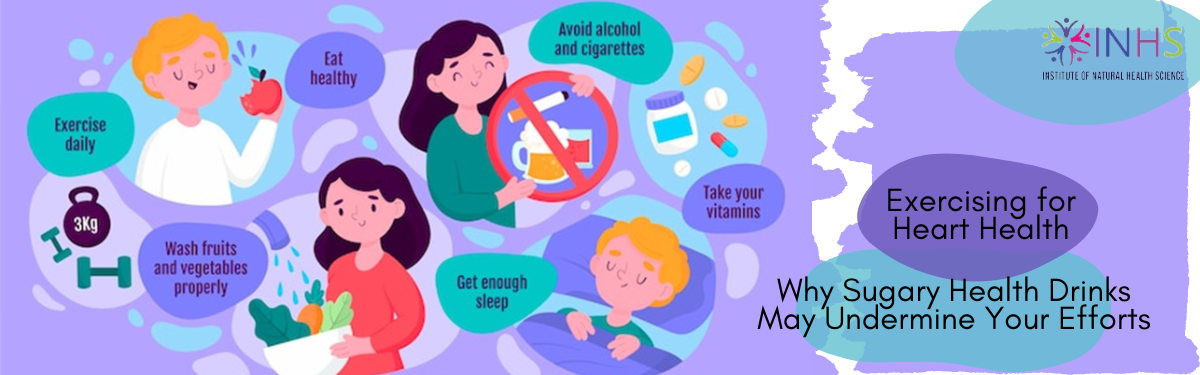
  • Exercising for Heart Health: Why Sugary Health Drinks May Undermine Your Efforts

    Exercising for Heart Health: Why Sugary Health Drinks May Undermine Your Efforts

    [vc_row][vc_column][vc_column_text]

    Introduction

    Maintaining a healthy heart is a top priority for individuals seeking optimal health and wellness. Exercise has long been recognized as a crucial component of heart health, helping to lower blood pressure, improve cholesterol levels, and reduce the risk of heart disease. However, recent research suggests that solely relying on exercise may not be enough to protect your heart, especially if you’re consuming sugary health drinks. In this blog post, we will explore the hidden dangers of these beverages and why finding a balanced approach is essential for heart health.

    The Exercise-Heart Health Connection

    Exercise has long been celebrated for its positive impact on cardiovascular health. Regular physical activity strengthens the heart muscle, improves blood circulation, and enhances overall cardiovascular fitness. Engaging in activities like brisk walking, jogging, swimming, or cycling helps lower blood pressure, increase HDL (good) cholesterol levels, and reduce the risk of heart disease.

    However, it is important to note that exercise alone may not provide the complete protection against heart attacks and other cardiovascular events. While it is a vital piece of the puzzle, other factors, such as diet and lifestyle choices, also play a significant role in maintaining heart health.

    The Hidden Dangers of Sugary Health Drinks

    In recent years, the market has been flooded with a wide range of sugary health drinks. These beverages are often marketed as being healthy and energizing, appealing to individuals seeking to maximize their workout results. However, beneath the surface, many of these drinks contain high amounts of added sugars that can have detrimental effects on heart health.

    Consuming excessive amounts of sugar can lead to weight gain, insulin resistance, inflammation, and an increased risk of heart disease. The American Heart Association recommends limiting added sugar intake to no more than 6 teaspoons (25 grams) per day for women and 9 teaspoons (38 grams) per day for men. However, a single bottle of some popular sugary health drinks can contain more than double this recommended daily limit.

    The Impact of Sugar on Heart Health

    The link between excess sugar consumption and heart disease risk factors is well-established. Research has shown that a high intake of added sugars can contribute to obesity, high blood pressure, high cholesterol levels, and type 2 diabetes, all of which increase the likelihood of experiencing a heart attack or other cardiovascular events.

    One of the primary ways sugar affects heart health is through its impact on weight gain. When consumed in excess, sugar is converted into fat and stored in the body, leading to weight gain and an increased risk of conditions such as obesity and metabolic syndrome. These conditions can significantly increase the strain on the heart and elevate the risk of heart disease.

    Additionally, excess sugar consumption can lead to insulin resistance, a condition in which the body’s cells become less responsive to the hormone insulin, resulting in elevated blood sugar levels. Insulin resistance is strongly associated with an increased risk of developing type 2 diabetes, a condition that significantly raises the likelihood of heart disease.

    Finding a Balanced Approach

    While exercise remains a crucial part of a heart-healthy lifestyle, it is important to recognize that it is not a standalone solution. To truly protect your heart and reduce the risk of heart attacks, you need to pair regular physical activity with a balanced diet that minimizes added sugars.

    Instead of reaching for sugary health drinks after your workout, opt for water or other hydrating beverages that won’t undo all of your hard work in the gym. Water is the best choice for hydration as it has no added sugars, calories, or artificial additives. If you’re looking for a flavored option, consider infusing water with fresh fruits or herbs to add a burst of natural flavor without the added sugars.

    Tips for Heart-Healthy Hydration

    Staying hydrated is essential for overall health, including heart health. Here are some tips for heart-healthy hydration:

    1. Choose water as your primary hydrator: Water is the best choice for staying hydrated throughout the day. It has no added sugars or artificial additives and is easily accessible.
    2. Infuse your water with natural flavors: If you find plain water boring, try infusing it with fresh fruits like berries, citrus slices, or herbs like mint or basil. This adds a refreshing taste without the added sugars found in many store-bought flavored drinks.
    3. Consider coconut water: Coconut water is a natural, low-sugar alternative to sugary sports drinks. It is packed with electrolytes, making it a great option for post-workout hydration.
    4. Make your own fruit-infused drinks: Instead of relying on pre-packaged fruit juices or smoothies that may contain added sugars, make your own by blending fresh fruits with water or unsweetened coconut water. This way, you can control the sweetness and ensure you’re getting the maximum nutritional benefits.
    5. Read labels carefully: When choosing store-bought beverages, be sure to read the labels carefully. Look for drinks that are low in added sugars and artificial additives. Avoid those that list sugar, high-fructose corn syrup, or any other form of added sugar as one of the main ingredients.

    Conclusion

    Exercise is undeniably important for heart health, but it is not the sole factor in maintaining a healthy heart. Consuming sugary health drinks can undermine the benefits of exercise and increase the risk of heart disease. To protect your heart, it is crucial to adopt a balanced approach that combines regular physical activity with a heart-healthy diet low in added sugars. By making smart choices about what you eat and drink, you can support your heart health and enjoy the benefits of a longer, healthier life.[/vc_column_text][/vc_column][/vc_row]

  • Impacts of Dehydration on Your Body and Overall Health

    Impacts of Dehydration on Your Body and Overall Health

    [vc_row][vc_column][vc_column_text]

    Impact of Dehydration: How your body reacts when you don’t drink enough water.

    Water is an essential component for our bodies to function properly. However, many people fail to drink enough water, leading to dehydration. In this blog, we will explore the various ways in which dehydration can affect your body, impacting your overall health and well-being.

    1. Headaches and Fatigue

    One of the immediate effects of dehydration is frequent headaches and persistent feelings of fatigue. When you don’t drink enough water, your brain tissue temporarily shrinks, leading to these symptoms. Maintaining proper hydration levels is crucial to alleviate these issues and keep you feeling energized throughout the day.

    2. Dry Skin and Irritation

    Dehydration can cause noticeable effects on your skin, resulting in dryness, itchiness, and even flakiness. Without sufficient water intake, your skin loses moisture, leading to these uncomfortable conditions. To keep your skin hydrated and glowing, it is essential to drink an adequate amount of water daily.

    3. Digestive Problems

    Water plays a vital role in the digestion process, aiding in the breakdown of food and facilitating its movement through the digestive system. Insufficient hydration can lead to constipation, bloating, and other digestive issues. By drinking plenty of water, you can ensure the smooth functioning of your digestive system.

    4. Muscle Cramps and Joint Pain

    Dehydration can also impact your muscles and joints, resulting in cramps, stiffness, and pain. When you are dehydrated, your muscles may not function optimally, increasing the risk of injury. Staying hydrated is crucial to prevent muscle cramps and maintain proper lubrication of your joints.

    5. Impaired Cognitive Function

    Your brain requires adequate water intake to function optimally. Dehydration can impair cognitive function, leading to difficulties with concentration, memory, and mood. By drinking enough water throughout the day, you can keep your brain sharp and your mind clear.

    6. Reduced Physical Performance

    Insufficient water intake can have a significant impact on your physical performance, particularly during exercise or physical activities. Dehydration can lead to decreased endurance, reduced strength, and increased fatigue. To maximize your fitness potential, it is important to stay properly hydrated before, during, and after physical exertion.

    7. Increased Risk of Heat-related Illnesses

    When you are dehydrated, your body’s ability to regulate body temperature becomes compromised. This increases the risk of heat-related illnesses such as heat exhaustion and heatstroke. It is crucial to drink plenty of water, especially in hot and humid environments, to prevent these potentially life-threatening conditions.

    8. Weakened Immune System

    Water plays a vital role in maintaining a strong immune system. Dehydration can weaken your immune system, making you more susceptible to illnesses and infections. By staying hydrated, you can support your immune system’s ability to defend against harmful pathogens.

    9. Impaired Kidney Function

    Proper hydration is essential for optimal kidney function. When you don’t drink enough water, your kidneys can’t effectively filter waste products from your blood, leading to various kidney-related issues. By staying well-hydrated, you can support the health and function of your kidneys.

    10. Increased Risk of Urinary Tract Infections

    Insufficient water intake can increase the risk of developing urinary tract infections (UTIs). Water helps flush out bacteria and other harmful substances from the urinary tract. By drinking enough water, you can reduce the likelihood of UTIs and promote urinary tract health.

    11. Impact on Mood and Mental Health

    Dehydration can have a significant impact on your mood and overall mental health. Studies have shown that even mild dehydration can lead to increased feelings of anxiety and irritability. By staying properly hydrated, you can support your mental well-being and maintain a positive mood.

    12. Impaired Sleep Quality

    Proper hydration is crucial for maintaining good sleep quality. Dehydration can lead to discomfort, such as dry mouth and nasal passages, making it difficult to fall asleep and stay asleep. By drinking enough water throughout the day, you can improve your sleep quality and overall restfulness.

    In conclusion, maintaining proper hydration is essential for your overall health and well-being. Dehydration can have a wide range of negative effects on your body, including headaches, dry skin, digestive problems, muscle cramps, impaired cognitive function, and more. By prioritizing water intake and staying properly hydrated, you can avoid these issues and optimize your health. Remember to drink water regularly and make it a habit to stay hydrated throughout the day.

    “Water is life’s matter and matrix, mother and medium. There is no life without water.” – Albert Szent-Gyorgyi

    Additional Information: It is recommended to drink at least eight 8-ounce glasses of water per day, but individual hydration needs may vary based on factors such as activity level, climate, and overall health.[/vc_column_text][/vc_column][/vc_row]

  • Walking Outdoors vs. Treadmill: Which is Better for Your Fitness?

    Walking Outdoors vs. Treadmill: Which is Better for Your Fitness?

    [vc_row][vc_column][vc_column_text]‍Hey there, fellow fitness enthusiast! Have you ever found yourself torn between lacing up your sneakers for a brisk walk in the great outdoors or hopping on the trusty treadmill at the gym? You’re not alone! Let’s dive into the age-old debate and uncover which option reigns supreme for your fitness and overall well-being.

    The Great Outdoors vs. Treadmill Terrain

    Picture this: the sun is shining, birds are chirping, and you’re strolling along a scenic trail, soaking in the beauty of nature. That’s the allure of walking outdoors. Meanwhile, on the treadmill, you’re striding along a smooth, uniform surface without a pebble or twig in sight. While the treadmill offers consistency, outdoor walking adds an element of adventure with varied terrains like winding trails and hilly paths.

    Walking outdoors allows you to experience the changing landscapes and natural beauty. The different terrains, such as grassy fields, sandy beaches, or rocky trails, engage your muscles in unique ways, promoting balance and stability. The irregular surfaces challenge your body to adapt and adjust, leading to increased muscle activation and a greater range of motion. On the other hand, the treadmill provides a controlled environment where you can set your pace and track your progress with precision. The predictable surface is ideal for individuals with specific fitness goals, allowing them to maintain a steady rhythm and focus on speed, distance, or incline.

    Calorie Burn Battle

    When it comes to torching those pesky calories, every step counts! Walking outdoors can give you an extra calorie-burning boost, especially when you’re battling against the wind or conquering uphill climbs. The varied terrain and natural elements add resistance, forcing your muscles to work harder. Research suggests that walking on uneven surfaces can increase energy expenditure by up to 60% compared to walking on a flat treadmill surface. Additionally, exposure to sunlight during outdoor walks may boost vitamin D levels, contributing to better overall health.

    On the flip side, the treadmill provides a controlled environment that allows you to adjust speed, incline, and duration to maximize calorie burn. It offers a consistent surface and eliminates external factors like weather conditions that may affect your workout intensity. With the ability to monitor your heart rate, distance covered, and calories burned, the treadmill provides valuable data that can help you track your progress and set specific fitness goals.

    Mind and Body Connection

    There’s something magical about being immersed in nature’s embrace as you stride along the trail. The fresh air, the rustle of leaves, and the gentle breeze all work together to rejuvenate your mind and spirit. Outdoor walking offers a sensory experience that stimulates your senses and provides a sense of tranquility and peace. Studies have shown that spending time in nature can reduce stress levels, improve mood, and enhance cognitive function.

    In contrast, the treadmill offers a distraction-free zone where you can focus solely on your workout without any external disturbances. The controlled environment allows for a concentrated exercise session, especially for individuals who prefer a more structured and intense workout.

    The Mental Health Factor

    Picture yourself taking a leisurely stroll through a lush green park, feeling the stress of the day melt away with each step. That’s the power of outdoor walking for your mental health! The connection with nature and exposure to sunlight during outdoor walks can have a positive impact on your mood and overall well-being. Research suggests that spending time in green spaces or natural environments can reduce symptoms of depression, anxiety, and stress.

    On the other hand, the treadmill provides a reliable option for those days when you need a quick dose of endorphins without worrying about the weather. It offers a convenient and accessible way to engage in physical activity, regardless of external factors. Whether it’s a rainy day or a scorching summer afternoon, the treadmill allows you to maintain your fitness routine and reap the mental health benefits of exercise. Additionally, the treadmill’s consistent surface and handrail support can provide a sense of security, especially for individuals who may have balance or mobility concerns.

    Convenience vs. Connection

    Let’s face it: the treadmill wins the convenience game hands down. It’s right there in your home or gym, ready and waiting whenever you need a quick sweat session. You can hop on the treadmill at any time, regardless of the weather or your location. The ability to control the speed, incline, and duration of your workout allows for flexibility and customization according to your fitness level and goals.

    However, outdoor walking offers a priceless connection to the world around you. Whether it’s a sunrise stroll or a moonlit meander under the stars, walking outdoors allows you to engage with your surroundings, appreciate nature’s beauty, and experience a sense of freedom. The changing scenery, fresh air, and the opportunity to encounter wildlife or interact with fellow walkers can enhance your overall walking experience and provide a sense of community.

    In conclusion, both walking outdoors and on the treadmill have their unique perks and benefits. Whether you’re craving the serenity of nature or the convenience of indoor exercise, the key is to lace up your shoes and get moving! Incorporating both outdoor and treadmill walking into your fitness routine can offer a well-rounded approach to your overall health and well-being. So, where will your next walking adventure take you? The choice is yours, my friend.[/vc_column_text][/vc_column][/vc_row]