
Images

  • Kickstart Your Morning with Nature’s best: Early Morning Drinks to Boost Your Health

    Kickstart Your Morning with Nature’s best: Early Morning Drinks to Boost Your Health

    [vc_row][vc_column][vc_column_text]

    Introduction: Embrace the Power of Natural Morning Drinks

    Starting your day with the right drink can set the tone for a healthy and energized day. Incorporating natural, nutrient-rich beverages into your morning routine can significantly enhance your overall well-being. In this guide, we’ll explore five fantastic early morning drinks and their health benefits. Plus, we’ll show you how you can take your nutrition knowledge to the next level with our Holistic Nutrition Program.

    Lemon Water: A Zesty Start to Your Day

    Imagine beginning your day with a refreshing glass of lemon water.

    Lemon water is incredibly simple to prepare yet offers numerous health benefits.

    1. How to Make It: Squeeze half a lemon into a glass of warm water.
    2. Benefits:
      1. Improves Digestion: Lemon water kickstarts your digestive system, helping to cleanse your stomach and stimulate bile production.
      2. Hydration: Drinking lemon water first thing in the morning helps rehydrate your body after a night’s rest.
      3. Enhances Skin Health: The vitamin C in lemons can improve skin quality, reduce wrinkles, and fight skin damage.

    Apple Cider Vinegar: The Wonder Drink

    Apple cider vinegar (ACV) is a powerhouse when it comes to health benefits.

    Incorporating ACV into your morning routine can lead to various positive changes in your body.

    1. How to Make It: Mix 1-2 tablespoons of ACV with a glass of water.
    2. Benefits:
      1. Weight Loss: ACV can help you feel fuller for longer, aiding in weight loss efforts.
      2. Regulates Blood Sugar: It helps maintain stable blood sugar levels, which is particularly beneficial for people with insulin resistance.
      3. Improves Gut Health: ACV contains probiotics that support a healthy gut microbiome.

    Ginger Water: Spice Up Your Morning

    Ginger water is a fantastic way to add some spice to your morning while reaping health benefits.

    Ginger has been used for centuries for its medicinal properties.

    1. How to Make It: Add freshly grated ginger to a cup of hot water. Let it steep for 5-10 minutes.
    2. Benefits:
      1. Reduces Inflammation: Ginger has powerful anti-inflammatory properties that can help reduce muscle pain and soreness.
      2. Boosts Immunity: Ginger can enhance your immune response and help your body fight off infections.
      3. Eases Digestive Issues: It helps alleviate bloating and constipation, promoting smoother digestion.

    Methi Seeds: A Traditional Remedy

    Methi seeds, also known as fenugreek seeds, are a traditional remedy with a host of health benefits.

    This simple yet powerful drink can be easily incorporated into your morning routine.

    1. How to Make It: Soak 1 teaspoon of fenugreek seeds in a glass of water overnight. Strain and drink in the morning.
    2. Benefits:
      1. Regulates Blood Sugar: Methi seeds can help maintain healthy blood sugar levels.
      2. Improves Digestion: They support a healthy digestive system and reduce inflammation.
      3. Supports Weight Loss: Methi seeds help in weight management by reducing appetite and boosting metabolism.

    Turmeric Water: The Golden Elixir

    Turmeric water, often called the golden elixir, is a powerful way to start your day.

    Turmeric is well-known for its anti-inflammatory and antioxidant properties.

    1. How to Make It: Mix 1/2 teaspoon of turmeric powder in a glass of warm water. Add a pinch of black pepper for better absorption.
    2. Benefits:
      1. Reduces Inflammation: Turmeric helps combat chronic inflammation in the body.
      2. Enhances Immunity: Its immune-boosting properties can help protect against various infections.
      3. Promotes Overall Well-being: Turmeric is beneficial for skin health and overall bodily functions.

    Embrace a Holistic Approach to Nutrition

    Incorporating these natural morning drinks into your routine is a great step towards a healthier lifestyle.

    However, achieving optimal health involves a comprehensive approach. This is where a holistic nutrition plan comes in.

    • Holistic Nutrition Program: Our program is designed to educate you on how to balance your diet, manage stress, and improve overall well-being through nutrition.
    • Expert Guidance: Learn from experienced professionals who understand the complexities of nutrition and its impact on health.
    • Personalized Plans: Receive customized advice that fits your unique needs and lifestyle.

    Conclusion: Start Your Day the Natural Way

    Starting your day with these natural morning drinks can make a significant difference in your health, energy levels, and you can enjoy a range of benefits from improved digestion to enhanced immunity. For a deeper understanding of how nutrition impacts your overall health, consider exploring our Holistic Nutrition Program. Embrace the power of nature and feel the difference in your well-being!

    [/vc_column_text][/vc_column][/vc_row]

  • Understanding Nutritional Deficiencies: Symptoms and Solutions

    Understanding Nutritional Deficiencies: Symptoms and Solutions

    [vc_row][vc_column][vc_column_text]

    Introduction: Why Nutritional Deficiencies Matter

    Many times, we experience symptoms but can’t pinpoint the cause. It could be fatigue, brittle nails, hair loss, or a weakened immune system. Often, these issues stem from nutritional deficiencies. Understanding and addressing these deficiencies can significantly improve your health and well-being. In this guide, we’ll explore common nutritional deficiencies, their symptoms, and which foods can help.

    The Importance of Iron

    Iron is a crucial mineral that plays a key role in the production of hemoglobin, which carries oxygen in the blood.

    Without enough iron, you might feel fatigued, weak, and short of breath. Women, in particular, are at higher risk of iron deficiency due to menstrual blood loss.

    1. Symptoms of Iron Deficiency: Fatigue, pale skin, weakness, dizziness, shortness of breath.
    2. Iron-Rich Foods:
      1. Red Meat: Beef and lamb are excellent sources of heme iron, which is more easily absorbed by the body.
      2. Spinach and Other Leafy Greens: These provide non-heme iron and are great for vegetarians.
      3. Lentils and Beans: Versatile and packed with iron.
      4. Fortified Cereals: An easy way to boost your iron intake at breakfast.
      5. Pumpkin Seeds: A handy snack that’s rich in iron.

    Boosting Selenium Levels

    Selenium is a powerful antioxidant that helps protect your cells from damage and supports your immune system.

    A selenium deficiency can lead to issues like heart disease and impaired immune function.

    1. Symptoms of Selenium Deficiency: Fatigue, muscle weakness, hair loss, a weakened immune system.
    2. Selenium-Rich Foods:
      1. Brazil Nuts: Just a few nuts can provide your daily selenium needs.
      2. Fish: Tuna, halibut, and sardines are all excellent sources.
      3. Turkey: A good source of selenium and other essential nutrients.
      4. Sunflower Seeds: Another great snack option to boost selenium intake.

    The Role of Zinc

    Zinc is vital for immune function, wound healing, and DNA synthesis.

    A lack of zinc can result in a weakened immune response and slow wound healing.

    1. Symptoms of Zinc Deficiency: Frequent infections, slow wound healing, hair loss, loss of taste or smell.
    2. Zinc-Rich Foods:
      1. Oysters: One of the best sources of zinc.
      2. Beef and Lamb: Rich in zinc and other essential nutrients.
      3. Chickpeas: A versatile plant-based source of zinc.
      4. Pumpkin Seeds: Also high in zinc, making them a great snack.
      5. Yogurt or Kefir: Dairy products that are good sources of zinc.

    Ensuring Adequate Iodine Intake

    Iodine is essential for thyroid function, which regulates your metabolism.

    An iodine deficiency can lead to thyroid problems, such as goiter or hypothyroidism.

    1. Symptoms of Iodine Deficiency: Enlarged thyroid gland (goiter), weight gain, fatigue, hair loss.
    2. Iodine-Rich Foods:
      1. Seafood: Cod, shrimp, and seaweed are excellent sources.
      2. Dairy Products: Milk, cheese, and yogurt contain significant amounts of iodine.
      3. Iodized Salt: An easy way to ensure you’re getting enough iodine.
      4. Eggs: A versatile food that provides a good amount of iodine.

    Do You Have Any of These Symptoms?

    If you’re experiencing any of the symptoms mentioned above, it’s worth considering whether a nutritional deficiency might be the cause.

    Evaluating your diet and ensuring you’re consuming a variety of nutrient-rich foods can help address these deficiencies. Additionally, consulting with a healthcare professional or a nutritionist can provide personalized guidance.

    Practical Tips for Addressing Nutritional Deficiencies

    Addressing nutritional deficiencies doesn’t have to be complicated. Here are some practical tips to help you get started.

    1. Diverse Diet: Aim to include a variety of foods in your diet to cover all your nutritional bases.
    2. Regular Check-Ups: Regular blood tests can help identify any deficiencies early on.
    3. Balanced Meals: Ensure each meal contains a balance of protein, carbohydrates, and healthy fats.
    4. Mindful Snacking: Choose nutrient-dense snacks like nuts, seeds, and yogurt.
    5. Stay Hydrated: Proper hydration is crucial for nutrient absorption and overall health.

    Check Out Our Performance Nutrition Program

    To take your nutrition and performance to the next level, consider our specialized programs.

    Our Performance Nutrition Program offers comprehensive support and guidance tailored to your individual needs. Whether you’re an athlete looking to optimize performance or someone seeking to improve their overall health, our program can help you achieve your goals.

    • Expert Guidance: Learn from experienced nutritionists who understand the science behind sports and performance nutrition.
    • Customized Plans: Receive a tailored nutrition plan that fits your lifestyle and goals.
    • Continuous Support: Benefit from ongoing support to help you stay on track and make sustainable changes.

    Conclusion: Empower Your Health with Knowledge

    Understanding and addressing nutritional deficiencies can have a profound impact on your overall health and well-being.

    By incorporating the right foods into your diet and staying informed, you can prevent and correct deficiencies before they cause more significant health issues. Remember, your body needs a variety of nutrients to function optimally, so aim for a balanced and diverse diet.

    If you’re looking for expert guidance, our Performance Nutrition Program is here to help. With personalized advice and continuous support, you can achieve your health and performance goals. Check out our Performance Nutrition Program and start your journey to a healthier, more vibrant you today!

    [/vc_column_text][/vc_column][/vc_row]
  • How a General Nutritionist can Boost Your Immunity Naturally

    How a General Nutritionist can Boost Your Immunity Naturally

    [vc_row][vc_column][vc_column_text]

    Introduction: Foods and Strategies for Staying Healthy

    Hey! Feeling off-color? Well, we all are sometimes. Life is so full of events that it makes it easy to forget about our health. But don’t worry: we have got you covered. Let’s dive right into the ways you can naturally boost your immunity to fall sickeningly less often with tips from a General Nutritionist.

    Understanding Your Immune System

    Let’s start by understanding what an immune system actually does. Think of it like your individual body’s defense team that is constantly on its toes, safeguarding you from all kinds of harmful invaders like bacteria, viruses, and other nasties. The healthier your immune system, the more effectively your body will get rid of the nasties and keep you in optimal health.

    The Role of Nutrition in Immunity

    Nutrition plays a massive role in keeping your immune system at its best. Much like your car needs the proper fuel to run properly, so does your body to help your systems function well. Eating a balanced diet with plenty of immune-boosting foods can make a big difference in how you feel and how well your body can fight off illnesses.

    Immune-Boosting Foods

    Now to the interesting part: food! Here are some good and tasty foods that will boost your body’s immunity:

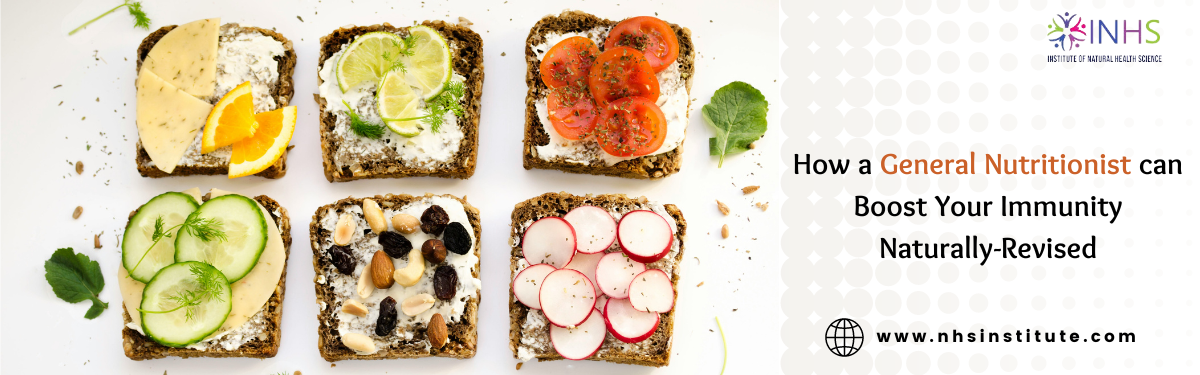
    1. Citrus Fruits: Oranges, lemons, limes, and grapefruits are all high in vitamin C, which can help boost the production of white blood cells, which in turn helps to fight infection. Start your day with orange juice or add lemon to your water.
    1. Red Bell Peppers: Do you know that red peppers contain twice the vitamin C as compared to citrus fruits? They also form one of the best sources of beta carotene, which will keep your skin and eyes healthy. Add them to your salads, stir-fries, or just enjoy raw with a tasty dip.
    1. Broccoli: Broccoli is a powerhouse of vitamins A, C, and E, besides fiber and antioxidants. The best way to take it is to eat it raw or have it lightly cooked to retain its nutrients. Toss some into your green salads, or steam it as an accompaniment.
    1. Garlic: Garlic doesn’t only spice things up for you; it’s a powerhouse for your immune system, too. Its immune-boosting properties come from a heavy concentration of sulfur-containing compounds; for instance, allicin. Add it to your soups, stews, and marinades for an extra health kick.
    1. Ginger: Ginger is another common remedy once the infection sets in. This serves to reduce inflammation, which means that it can help with a sore throat and other illnesses caused by inflammation. It may even help with nausea. You can add fresh ginger to your teas, smoothies, or use it in your Asian-inspired dishes.
    1. Spinach: Spinach is not only a top source of Vitamin C but also of many anti oxidants and beta carotene, which are believed to be greatly improved with effecting effectiveness of the infection fighting ability of the immune systems. And, its vitamin A contents are improved with light cooking and other nutrients that are allowed to be released from the oxalic acid.
    1. Yogurts: Choose yogurts that have “live and active cultures” printed on the label, much like Greek yogurt. These cultures may help your immune system fight disease. Yogurt can also be an excellent source of vitamin D, which helps regulate the immune system and fights off disease.
    1. Almonds: There are so many other health benefits of vitamin E that it is often relegated to second place behind vitamin C in the fight against the common cold. However, vitamin E is crucial for a hale and hearty immune system. Being one of the fat-soluble vitamins, it does require the presence of fat in the system for it to be properly absorbed. Almonds are already dense in the vitamin, hence making them healthy.
    1. Turmeric: You may recognize turmeric spice as a main ingredient in curry. This bright yellow, very bitter spice has been used for years, however, as an anti-inflammatory in treating both osteoarthritis and rheumatoid arthritis. The high concentrations of curcumin, which gives turmeric its unique color, can help reduce exercise-induced muscle damage.
    1. Green Tea: Next, the two kinds of tea, green and black, are both chock-full of flavonoids, again, that same kind of antioxidant. The place in which green tea genuinely shines is in its quantity of epigallocatechin gallate (EGCG), yet another super-powerful antioxidant. EGCG has been shown to exhibit the effects of boosting immune function. During the fermentation process that black tea undergoes, much of the EGCG is destroyed, but green tea is steamed and unfermented, thus maintaining most of the EGGC.

    Lifestyle Means to a Stronger Immune System

    Diet is only part of the picture when it comes to maintaining an immune system in its best working order. Lifestyle means are weighted quite heavily. Here are some of the strategies to keep well and stay healthy.

    1. Get Enough Sleep: A healthy immune system requires adequate sleep. During sleep, the body repairs and regenerates itself. It is a very important period in immune function. Get, at least, 7–8 hours of nightly sleep. If you deprive yourself of sleep, try developing a bedtime routine or keeping screens away at least 1 hour before bedtime. Make sure the environment for sleep is comfortable.
    1. Exercise regularly: Exercise is another important core of health. It improves the blood flow in the body, which thereby helps the immune cells to reach out to places within our body to perform more efficiently. Try to get in at least 30 minutes of moderate exercise on most days of the week. Walking, cycling, and swimming are all good examples of exercise to help ensure you receive adequate physical activity.
    1. Stay Hydrated: Take enough of water for overall healthiness and the immune system. Water also carries oxygen to the body cells, which brings proper function of the systems in the body. Water also works in the removal of toxins from the body. Moderate at least 8 glasses of water from a day.
    1. Manage Stress: Chronic stress impacts your immune system. The good working of your immune system comes with its proper management. In response, handle your stress by learning how to meditate, breathing exercises, or just going out in nature.
    1. Maintain a Healthy Weight: A healthy weight is of the essence because weight loss can cause body degradation and critically influence important body systems, hence immunity against common diseases. Too much of weight is also dangerous because it can be a setback to these valuable and delicate body systems and therefore might risk infections for chronic diseases. A person should focus on a balanced diet, routine exercise, and withhold from excessive intake of calories.

    The Role of a General Nutritionist

    Although it can be a minefield in the land of nutrition, you do not have to negotiate it by yourself. A nutritionist is one of the best allies you can have in the journey to better health and well-being. More specifically, what they offer in a range of services includes the following:

    1. Personalized Advice: Nutritionists can bestow advice appropriate for an individual’s needs and goals in health.
    2. Meal Planning: They can help you chart down meals that assure your body gets all the necessary nutrients.
    3. Knowledge: Figure out the nutrients your body requires and their sources which, taken in proper quantity, can be obtained from your diet.
    4. Assistance: People can stay motivated with someone at home who is there to care for you and guide you on what you should do to achieve your health goals.

    Conclusion

    Boosting your immune system naturally is all about making informed choices when it comes to your diet and lifestyle. Incorporating immune-boosting foods like citrus fruits, garlic, and yogurt into your diet, staying hydrated, getting enough sleep, and managing stress are all key strategies. Additionally, a general nutrition program can provide the guidance and support you need to make lasting changes to your health.

    Remember, small changes can make a big difference. Start incorporating these tips into your daily routine and give your immune system the support it needs to keep you healthy and strong. And don’t forget to check out our different General Nutrition Program to take your health to the next level.

    [/vc_column_text][/vc_column][/vc_row]
  • A Sport Nutrition Guide to Separating Fact from Fiction

    A Sport Nutrition Guide to Separating Fact from Fiction

    [vc_row][vc_column][vc_column_text]

    Introduction: Sports Nutrition Fact

    There is a lot of misinformation floating around out there for athletes when it comes to sports nutrition. The problem is that it’s not all true. Myths surrounding the ways in which the body can be fuelled for its best performance are a dime a dozen, from locker room chatter at the gym to social media. Here, we will debunk some of the most common sports nutrition myths with science-backed information for making informed choices about diet and supplementation.

    Myth 1: Carbs Are the Enemy

    One of the most persistent myths in sports nutrition is that carbohydrates are bad for you.

    Certainly, with the rise in popularity of low-carb and ketogenic diets, carbohydrates have become typecast as the evil nutrient. Unless, of course, you’re an athlete. For them, carbs represent a prime source of energy and the body’s preferred fuel during high-intensity exercise sessions.

    • Scientific Fact: Carbohydrates replenish glycogen stores, which are critical for endurance and performance.
    • Practical Tip: Include some complex carbohydrates in the form of whole grains, fruits, and vegetables for more sustained energy.

    Myth 2: Protein Is the Only Thing You Need

     True, protein is an essential part of the repair and building of muscle, but that doesn’t mean it’s the only nutrient a body needs to perform at a peak level.

    Overdoing it on protein to the exclusion of other nutrients guarantees an imbalanced diet and serious impairments in performance.

    • Science-Backed Fact: Balanced nutrition includes a mix of protein, carbs, fats, vitamins, and minerals.
    • Practical Tip: Eat a wide variety of foods to ensure a balanced intake of nutrients.

    Myth 3: Supplements Can Replace Food

    Most supplements that are marketed usually promise to ensure quick fixes or shortcuts to get you performing better.

    But no dietary supplement can take the place of whole foods in their natural form. Whole foods provide an intricate combination of nutrients that work synergistically to enable you to help your health and performance.

    • Science-Backed Fact: Supplements should only supplement your diet, not substitute a meal.
    • Practical Tip: Get most of your nutrition from whole foods and use supplements sparingly and under professional guidance.

    Myth 4: Fat Makes You Fat

    The idea of consuming fat and directly transforming it into body fat has long been disapproved by modern nutritional science.

    Healthy fats, the ones necessary for hormone production, proper functioning of cells, and overall health, are also the macronutrients with the highest energy yield.

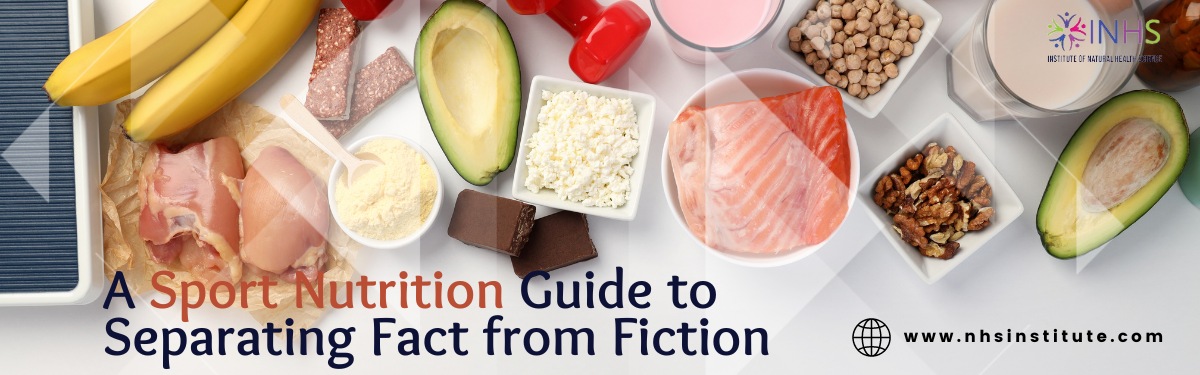
    • Science-Backed Fact: Unsaturated fats, such as those in avocados, nut varieties, and fish, help heart health and performance.
    • Practical Tip: Consume a balanced mix of healthy fats while moderating your intake of saturated and Trans-fat.

    Myth 5: Hydration Is All About the Water

    Hydration, of course, is not merely the consumption of water.

    Electrolytes, including sodium, potassium, and magnesium, are required for fluid balance in the body, muscular activities, and the transmission of nerve impulses.

    • Science-Backed Fact: Imbalance in electrolytes leads to fatigue, cramps, and decreased performance.
    • Practical Tip: Besides staying well-hydrated, get some electrolyte-rich foods into your diet and consider electrolyte beverages for very long or very intense workouts.

    Myth 6: You Must Eat Right after Exercise

    The anabolic window is probably what you’ve been told is the most important time for post-exercise nutrition.

    Although it is the best practice to replenish and recover after a workout, the general window is larger than most people think. Nutrient timing should be individualized and based on a person’s needs and goals.

    • Science-Backed Fact: Consuming your meal within two hours after exercise assists in restoring energy stores and promoting muscle recovery.
    • Practical Tip: One should have balanced meal including protein, carbohydrates, and fats rather than worrying about the timings.

    Myth 7: More Protein Means More Muscle

    A huge number of athletes believe strongly if more quantity of protein is consumed, more amount of muscles would be developed.

    But there is a cap on the protein in the body, over which it cannot be usefully employed for muscle synthesis. Excess protein can make your kidneys work harder to flush it out and may disturb your nutrition.

    • Science-Backed Fact: The ideal amount of protein varies for each person, depending on their body weight, activity level, and specific fitness goals.
    • Practical Tip: Consume a well-balanced diet in which proteins are derived from a wide range of sources rather than fulfilling the entire requirement from supplements alone.

    Myth 8: Sports Drinks Are Always Necessary

    Sports drinks have been promoted as a necessity for all athletes. This is not always the case.

    They may be useful during an extremely long, arduous exercise, but often they are just a waste of money when additional electrolytes and carbohydrate replenishment are not needed because the duration or intensity wasn’t that high. Overconsumption will definitely lead to excess sugar and calorie intake.

    • Science-Backed Fact: Water will suffice for most people in the gym for normal workouts.
    • Practical Application: Use sports drinks only when needed the most, such as for endurance events or during high-intensity training.

    Myth 9: All Calories Are Equal

    Myths on exercise and nutrition continue to warp the truth, a far cry from the truth.

    Source of your calories holds a lot of importance on your health, performance, and body composition.

    • Science-Backed Fact: Nutrient-dense foods provide essential vitamins, minerals, and other compounds for a total state of health and performance.
    • Practical advice: “Emphasize quality over quantity” with whole unprocessed foods.

    Myth 10: Detox Diets Improve Performance

    The only myth attached to detox diets and cleanses is that they really work scientifically.

    After all, human beings are equipped with a set of organs that naturally detox the body, such as the liver, kidneys, and skin, which expelled unwanted toxins from the body. The restricting detox diets that require a body to be in a state of hunger could lead to nutritional deficiencies and poor performance of the individual.

    • Fact Supported By Science: A balanced intake, rich in *fruits and whole foods*, supports the body’s natural detox processes.
    • Practical Tip: Just say no to fad detox diets and trends, and say yes to learning how to consistently eat right.

    Check Out Our Sport Nutrition Program

    Here at our programs, we offer extensive education and guide you on how to make informed choices on your diet and supplementation.

    • Expert Guidance: Hear from people who know the science behind sports nutrition.
    • Customized Plan: Get individually tailored advice and plans that work for your unique needs and goals.
    • Ongoing Support: Get continuous support to stay on course toward your performance goals.

    Conclusion: Fuel Performance with Sport Nutrition Fact.

    We hope that while dispelling these common Sport Nutrition Fact, we can empower you with facts to help be enlightened in making the right choices concerning your diet and supplementation regimen. Remember, when it comes to good nutrition, there is no one-size-fits-all approach. What works for somebody might not work for others. Just listen to your body, be aware, and sometimes consult the professionals.

    Ready to elevate your performance with science-backed nutrition? Check out our different Sport Nutrition Program today and start fueling your body the right way. Enroll now and unlock your full potential!

    [/vc_column_text][/vc_column][/vc_row]

  • The Ultimate Guide to Building a Sustainable Wellness Routine

    The Ultimate Guide to Building a Sustainable Wellness Routine

    [vc_row][vc_column][vc_column_text]

    Introduction: Making Wellness Consistent

    Wellness on a consistent basis can be hard. Being able to build a sustainable wellness routine when everything has been thrown your way easily gets lost between the deadlines, daily schedules, and any spur-of-the-moment items that appear on your plate. However, a wellness routine with a solid structure can improve your well-being. This guide looks to offer practical advice for creating a realistic and sustainable wellness routine.

    Defining Wellness: Beyond Diet and Exercise

    Most times when we think about wellness in general, the first things that cross our minds are usually diet and exercise.

    Wellness is not only about diet and exercise but it integrates all the following aspects: physical, mental, emotional, and social, which will make the wellness routine sustainable and sure about balance and health in life.

    • Physical health: jogging, consuming a balanced diet, exercise, quality sleep, and regular medical check-ups.
    • Mental health: activities that create mental clarity, reduction of stress BAC, development of positive thinking.
    • Emotional Health: Practices to manage emotions and develop resiliency.
    • Social Health: Practices of building and maintaining healthful relationships and social connections.

    Tip 1: Start Small, Don’t Overdo It

    The number one rule to creating a wellness routine that’s going to last is to start small.

    Easy to feel overwhelmed and overdo it in ways that are not sustainable. So begin with one or two small habits and build them slowly.

    • Identify Priorities: Do first the thing that needs attention the most.
    • Set Realistic Goals: Instead trying for perfect, make some realistic, achievable goals.
    • Do Celebrate Small Wins: Notice and celebrate little bits of your progress.

    Tip 2: Create a Consistent Schedule

    Consistency is key to building habits for life.

    However you design this, a good structure for one’s day can often help one keep to it and make habits relevant to wellness a significant or routine part of the day.

    • Plan Ahead: Schedule your wellness activities like you would any other very important task.
    • Daily Routine: Make a routine of things like morning stretches or evening meditation.
    • Flexibility: While there is an important aspect of consistency, time you will be required to be flexible enough to change your routine.

    Tip 3: Incorporate Variety and Fun

    A monotonous routine can quickly become boring and hard to maintain.

    It makes your wellness activities enjoyable and more diverse.

    • Mix It Up: Get involved in different exercise programs or activities—aerobics and strength trainings, even a hike outdoors.
    • Fun Activities: Ensure the chosen activities are fun and an enjoyment.
    • Social Wellness: You can make this social by enrolling in a wellness group or class.

    Tip 4: Nutrition

    Proper nutrition is key to wellness.

    Eating a balanced diet that provides all the necessary nutrients can enhance your energy levels, mood, and overall health.

    • Whole Foods: Emphasize whole foods like fruits, vegetables, whole grains, and lean proteins.
    • Meal Planning: Plan your meals and snacks ahead of time to ensure you’re eating a balanced diet.
    • Hydration: Don’t forget to drink plenty of water throughout the day.

    Tip 5: Prioritize Sleep

    Sounds a bit funny, but indeed, sleep is one of those things that a person cannot live without if they want to be completely healthy.

    Good sleep lets the body rest for proper recovery while also supporting mental health and cognitive functions.

    • Set a Schedule: Try to always go to bed and wake up at the same time, so that routine is developed.
    • Create a Relaxing Environment: Make sure your bedroom is comfortable and calming.
    • Limit Screen Time: Avoid screens an hour before bed to aid in better sleep.

    Tip 6: Manage Stress

    Chronic stress negatively impacts all the health levels.

    You will be able to have a healthy lifestyle if you know how to deal with stress.

    • Mindfulness and Meditation: These practices help you rid your life of accumulated stress as well as fine-tune your mind’s clarity.
    • Physical Activity: Exercise is a fantastic way to relieve stress while benefiting your body and improving your mood.
    • Hobbies and Interests: Engage in activities that are fun and relaxing for you.

    Tip 7: Build a Support System

    Sometimes building a support system can be that one thing that changes it all.

    Bring people around you that will encourage you and motivate you.

    • Friends and Family: Inform them of your goals and find out if they’ll be a support.
    • Wellness Groups: Surround yourself around a similar group of people or those who have the same goals.
    • Professional Support: It is advisable to take help from a coach or therapist for more guidance and support.

    Overcoming Common Challenges

    Challenges will come even with the best of intentions about pursuing wellness.

    Here are some common obstacles and how to overcome them:

    • Not Enough Hours in the Day: Prioritize your wellness activities and find little moments to fit them into each day.
    • Loss of Motivation: Keep your goals visible, celebrate progress, and seek support when needed.
    • Slip-ups: Remember that slip-ups are normal. Be easy on yourself and get back on the horse as soon as possible.

    Check out our Health and Wellness Program and Diploma Certificate

    For those of you looking for more directed help, head to our various Health and Wellness Program, and Diploma Certificate.

    Our programs provide a structured education and support framework that empowers you with the tools you need to help build and maintain a sustainable wellness routine.

    • Expert Guidance: Taught by top professionals in the field of health and wellness
    • Comprehensive Curriculum: Study Nutrition, Fitness, Mental Health, and much more
    • Flexible Learning: Our courses are easily manageable, allowing you to learn based upon your own schedule

    Conclusion: Your Path to a Sustainable Wellness Routine

    It is a journey in creating a long-lasting routine for wellness—not a destination.

    It is through a lot of patience, consistency, and adjustment that you will require by the heaps. You can develop a routine that will enhance your overall well-being by starting small, staying consistent, and cubing in variety and support. Remember, progress, not perfection. Celebrate your victories and embrace your journey to a healthier, happier you.

    Ready to take your wellness journey to the next level? Check out our different Health and Wellness Program and Diploma Certificate today and start building a sustainable wellness routine that works for you. Enroll now and transform your life!

    [/vc_column_text][/vc_column][/vc_row]
  • Future Foodie: Personalized Plates, AI Chefs, and a Sustainable Feast

    Future Foodie: Personalized Plates, AI Chefs, and a Sustainable Feast

    [vc_row][vc_column][vc_column_text]

    Hi, fellow foodies! Ever wondered what a world would look like when your food is tailor-made to your needs and taste buds? Well, buckle up, friends, because that world is closer than you think. A future of food and nutrition on different, personalized plates, AI—yes—chefs, if you will, ensuring that food be as good as it is good for local and planetary well-being.

    Well, what’s this future all about then? Let us take a fork—metaphorical, that is—and dig in!

    Personalized Plates: Your DNA Orders the Menu

    Remember those one-size-fits-all diet plans that would leave you hangry and frustrated? Well, they’re about to drive into the past. The future of nutrition is all about personalization. It’s like nutrigenomics has evolved, and it just keeps unleashing a lot of cool discoveries on how genes are linked with how bodies process food.

    Imagine that a simple DNA test can unlock all your personal optimal dietary needs. You may find that your body thrives on a diet full of fiber, loaded with whole grains and legumes, or that your metabolism does best with small portions and frequent eating. The information opens up the way for individually designed meal plans that not only satisfy your cravings but fuel your body for peak health and well-being.

    AI Chefs: Your Smart Kitchen Assistant

    No, robots are not taking over the kitchen. But artificial intelligence is definitely becoming a valuable asset in the culinary world. Now, imagine a virtual assistant that could operate Castillo’s information to analyse your personalized dietary needs, whip up delicious recipe suggestions based on your tastes and what’s in your pantry, and even help you make a grocery list. AI-infused kitchen gadgets are on the horizon, churning through that meal prep process and freeing you for a part that really matters—actually enjoying your food.

    Sustainable Eats: A Feast for You and the Planet

    It’s not just about what’s on your plate, but how it gets there. Some of the central themes would be the responsible sourcing of food, reductions in food waste, and lessening the impact one’s choice has on the environment. Alternative sources of protein increasingly come up, as well as plant-based meat alternatives and insect protein, offering delicious and sustainable choices. Looking at promoting soil health and environmental preservation, regenerative agriculture practices have picked up.

    But how does this all relate to your well-being? Easy: a fit planet = fit food. Choosing sustainable means we get to go on delighting in really scrumptious and healthy foods for years to come.

    Future of Food is now: Join Tasty Revolution!

    This is what many might think the future of nutrition, AI-powered assistance, and sustainable practices will look like, but in fact, it has already started. At the moment, the number of companies or organizations working on innovative solutions to depicting a new way of eating may be considered considerably big.

    Want to be part of this exciting journey? Here are a few ways to get started:

    • ✓ Nutrigenomic Eating: Get sequenced for personal dietary interventions. Do not forget to approach a healthcare professional for the analysis of results and designing diet plans that are safer and more effective.
    • ✓ Plant-Based Options: Savor scrumptious plant-based recipes to find out foods for sustainable protein.
    • ✓ Spend at Farmers Markets: Locally sourced produce cuts down on carbon footprint and provides fresh and flavorful ingredients for cooking dishes.

    Conclusion

    Ready to take your food journey to the next level? Check our varied Nutrition Programs and Diploma Certificates that can help you in equipping the necessary tools and competencies needed in navigating this very promising future of food and nutrition. Let’s create a world where deliciousness meets well-being, and sustainability is in the menu!

    [/vc_column_text][/vc_column][/vc_row]