
Images

  • Achieve Optimal Wellbeing with the Guidance of a Holistic Health Coach

    Achieve Optimal Wellbeing with the Guidance of a Holistic Health Coach

    [vc_row][vc_column][vc_column_text]

    When it comes to health and wellness, this can very easily become overwhelming. Enter the Holistic Health Coach with the proper guidance and support for optimal wellbeing. In this guide for beginners, we’re going to explain what a Holistic Health Coach does – how a person like that can help you and then cover the benefits of becoming one by getting a Holistic Health Coach Certificate.

    What is a Holistic Health Coach?

    The Holistic Health Coach can see the larger picture of health in terms of physical, emotional, and spiritual dimensions.

    Understanding Holistic Health: It is the approach where an individual considers their health as being the bigger picture and not just a few symptoms or diseases. This approach embraces different scopes of wellness comprising diet, exercise, mental health, and lifestyle.

    A holistic health coach partners with clients to make long-term, sustainable changes that affect their health and well-being. They offer personal support in all areas of a client’s life.

     How a Holistic Health Coach Can Help You

    A holistic coach may be your wellness game-changer.

    Personalized Wellness Plans: Your Coache design individualized wellness plans with personal needs, goals, and lifestyle taken into consideration. They consider factors such as diet, exercise, stress management, and sleep.

    Emotional and Mental Support: A step ahead from the physical health, Your Coache help in offering emotional and mental support; building a positive mindset; and providing effective ways of dealing with stress.

    Lifestyle Changes: Recommendations from your Coache for lifestyle changes may lead to long-term health benefits. It may involve changes in your diet, physical exercise, and day-to-day routine.

    How to Find the Best Holistic Health Coach

    Picking the right coach is your most crucial step toward success.

    Research and Qualifications: Search for coaches with legitimate qualifications, such as a Holistic Health Coach Certificate. Look into their experience and what they specialize in. Make sure they align with your goals.

    First Consultation: Ask for an initial consultation to establish what you would like to gain from the experience and to find out if the coach’s approach resonates with you. This will be a great opportunity for you to ask questions and for you to understand their methods.

    Reviews and Testimonials: Look for reviews and testimonials from past clients, which may highlight the effectiveness and style of the coach.

    What to Expect During Coaching Sessions

    Knowing what to expect will help you prepare to get most out of your sessions.

    Full Comprehensive Health Assessment: A journey with your Coach begins with a Full Comprehensive Health Assessment. It includes information gathering, where the coach gets to understand an individual’s current health status and areas needing change.

    Goal Setting: Realistic and attainable health goals will be set based on the assessment. A definition of such goals will be supported by your coach, who will also guide you in planning how to reach the set goals.

    Regular Check-ins: Regular follow-up meetings are essential for success, reassessment of the wellness program as needed, and troubleshooting of any problems.

    Benefits of a Holistic Health Coach Certificate

    A holistic health coach certificate is a good career path if working with a person who wants to thrive and attain his full potential is an area of interest.

    Advanced knowledge and skills: Holistic health certification provides an in-depth outline of the topic at hand, so you get equipped with the ability to successfully guide your clients.

    Credibility and Trust: A respected certification can increase the level of credibility and help build a trustworthy bond with your client base.

    Career Opportunities: Certification has broad opportunities for professionals in wellness centers, private practice, or corporate wellness programs.

    Conclusion: Commence Your Path to Optimal Health Now

    A Holistic Health Coach will make a difference in your life, bringing you support, guidance, and motivation tailored toward real changes in health and well-being. Be it getting healthier yourself or helping others achieve their wellness goals, a Holistic Health Coach is a very important career. A Holistic Health Coach Certificate can boost your expertise and career. Start your journey today toward the difference holistic health coaching will make in your life.

    Ready to take control of your health? Find a Holistic Health Coach today or become one yourself with our Holistic Health Coach Certificate program. Begin your journey to optimal wellbeing now!

    [/vc_column_text][/vc_column][/vc_row]

  • The Importance of Hiring a Master Fitness Coach: How to Find the Right Fit for Your Fitness Goals

    The Importance of Hiring a Master Fitness Coach: How to Find the Right Fit for Your Fitness Goals

    [vc_row][vc_column][vc_column_text]

    Getting in shape can be a difficult road, but with the right support, your journey can be a lot easier. Hiring a Master Fitness Coach has proven to be the best investment in many people’s health and well-being. In this guide, we are going to understand why a Master Fitness Coach is important, how to find the right coach for you, and the benefits of personal training/coaching services that are provided by an individual who holds a Master Fitness Coach Certificate.

    Why You Need a Master Fitness Coach

    The Fitness Coach aspect comes for superior expertise, motivation, and personal guidance throughout your fitness journey.

    Knowledge and Expertise: Your Coach is many times over trained and veteran. They are certified, for example, with the Master Fitness Coach Certificate, which proves to be equipped with advanced techniques of fitness, nutrition, and injury avoidance.

    Personal Fitness Plan: A generic working plan differs when working with a Master Fitness Coach. The Coach considers the client’s present level of fitness, goals and the existence of any kind of medical condition or limitation.

    Motivation and Accountability: Your Fitness Coach will keep you motivated to stay on course. They hold you accountable to keep going which means you will stick to your fitness plan and make steady progress.

    How to Find the Right Master Fitness Coach

    Finding the right coach is what is ultimately going to make the difference in your success. Here is how you make sure they’re the right fit for your fitness goals.

    Check Your Fitness Goals: It really is important for you to now your fitness goals before you seek a coach. Are you seeking to loose weight, gain muscle, improve on general health, or train towards an event?

    Research the Credentials and Experience: Look for good certifications like the Master Fitness Coach Certificate. Check their experience, too, since it will reveal to you whether they truly are the right fit for your needs.

    Read Reviews and Testimonials: Make sure you read some of their reviews and the testimonials that were given by previous clients.

    Schedule a Consultation: Working with a Fitness Coach starts with a consultation. This is an opportunity to meet the coach, discuss your goals, and find out if their approach resonates with you.

    What to Expect from a Master Fitness Coach

    Knowing what your Fitness Coach offers empowers your decision making.

    Comprehensive Fitness Assessment: Your coach shall take you through an in-depth fitness assessment to know the strong areas of your body, your weaknesses and where improvement is needed.

    Personalized Workout Schedules: From this assessment, your Personal trainer will draw from it a workout schedule that suits or accommodation your goals and your current state of fitness.

    Nutritional Advice: Your Coach will expand this council on nutrition to support your workout program with the aim of achieving the best results possible.

    Inclusion of Ongoing Support and fine-tuning: He’s like your coach meter on the development you’re making while making the needful essential adjustments in your workout plan so that you always gear towards the goal.

    Benefits of a Master Fitness Coach Certificate

    Being a fitness coach, a Master Fitness Coach Certificate will offer you so many opportunities.

    Advanced Knowledge and Skills: This certification program will be all about advanced fitness concepts, ensuring that you are knowledgeable in handling clients to realize their goals.

    Credibility and Trust: A genuine certificate adds to your credibility and helps you to garner trust from potential customers.

    Career Opportunities: Master Fitness Coach Certification will avail many opportunities within the fitness industry, from gyms to having your fitness coaching business.

    Conclusion: Take the First Step towards Fitness Success

    A Master Fitness Coach will be a complete turnaround in your journey, imparting theknowledge, motivation, and personal guidance towards whatever goals you may have set. Whether it is weight loss, toning up, or increasing your overall well-being – the Coach ensures your success. That said, if you’re passionate about fitness, but most of all, you want to enable others towards their goals, you’re advised to go for the this Certificate. So, get started today on this life-changing journey-good health and fitness combined with improving other people’s lives.

    Ready to elevate your fitness journey? Hire a Master Fitness Coach today or become one yourself with our Master Fitness Coach Certificate program. Get started now and achieve your fitness goals with expert guidance!

    [/vc_column_text][/vc_column][/vc_row]
  • Shed Pounds the Smart Way: Weight Management Wisdom from a Nutrition Pro

    Shed Pounds the Smart Way: Weight Management Wisdom from a Nutrition Pro

    [vc_row][vc_column][vc_column_text]

    Losing weight can feel like a daunting task, but it doesn’t have to be. With the right strategies and a bit of guidance, you can achieve and maintain your ideal weight without sacrificing your health or sanity. This beginner’s guide will walk you through expert advice on effective weight management and explain how earning a Weight Management Expert certificate can empower you to help others on their weight loss journey.

    Understanding Weight Management

    Weight management is about more than just shedding pounds; it’s about maintaining a healthy balance that you can sustain over the long term.

    What is Weight Management?

    Weight management involves adopting lifestyle changes that promote a healthy weight through balanced nutrition, regular physical activity, and mindful habits.

    Why is Weight Management Important?

    Proper weight management helps reduce the risk of chronic diseases, improves mental health, and enhances overall well-being. It’s about feeling your best, not just looking your best.

    Setting Realistic Goals

    A successful weight management plan starts with setting achievable and sustainable goals.

    SMART Goals

    Set Specific, Measurable, Achievable, Relevant, and Time-bound (SMART) goals. For example, aim to lose 1-2 pounds per week instead of targeting a drastic weight drop.

    Focus on Health, Not Just Weight

    Prioritize overall health improvements like increased energy, better sleep, and enhanced mood over simply watching the scale.

    The Role of Nutrition

    Nutrition is the cornerstone of effective weight management. What you eat significantly impacts your ability to lose and maintain weight.

    Balanced Diet Basics

    A balanced diet includes a variety of foods from all food groups: vegetables, fruits, grains, proteins, and dairy. Each group provides essential nutrients your body needs.

    Macronutrients and Weight Management

    • Carbohydrates: Choose complex carbs like whole grains and vegetables over refined sugars.
    • Proteins: Incorporate lean proteins such as chicken, fish, beans, and legumes to support muscle maintenance.
    • Fats: Include healthy fats from sources like avocados, nuts, and olive oil to keep you full and satisfied.

    Meal Planning and Preparation

    Planning your meals and preparing them in advance can help you stay on track with your weight management goals.

    Benefits of Meal Planning

    Meal planning ensures you have healthy options available, reduces impulsive eating, and saves time and money.

    How to Plan Your Meals

    Start by creating a weekly menu that includes balanced meals and snacks. Prepare and portion your meals ahead of time to make healthy eating convenient.

    The Power of Hydration

    Staying hydrated is crucial for overall health and effective weight management.

    Why Hydration Matters

    Proper hydration aids digestion, supports metabolism, and helps control appetite. Sometimes, thirst can be mistaken for hunger.

    Hydration Tips

    Aim to drink at least eight 8-ounce glasses of water per day. Keep a water bottle with you and set reminders if needed.

    Physical Activity and Exercise

    Regular physical activity is essential for weight management and overall health.

    Finding the Right Exercise

    Choose activities you enjoy, whether it’s walking, running, cycling, swimming, or group fitness classes. The key is to stay active consistently.

    Benefits of Strength Training

    Incorporate strength training into your routine to build muscle, boost metabolism, and improve body composition.

    Mindful Eating

    Mindful eating involves paying attention to what and how you eat, promoting a healthier relationship with food.

    Practice Mindfulness

    Eat slowly, savor your food, and listen to your body’s hunger and fullness cues. Avoid distractions like TV or smartphones during meals.

    Emotional Eating

    Recognize and address emotional eating triggers. Find healthier ways to cope with stress, such as exercise, meditation, or talking to a friend.

    Sleep and Stress Management

    Adequate sleep and stress management are often overlooked but are critical components of effective weight management.

    Importance of Sleep

    Poor sleep can disrupt hormones that regulate hunger and appetite, leading to weight gain. Aim for 7-9 hours of quality sleep each night.

    Managing Stress

    Chronic stress can lead to emotional eating and weight gain. Practice stress-reducing techniques such as deep breathing, meditation, or hobbies you enjoy.

    Tracking Progress

    Monitoring your progress can keep you motivated and help you make necessary adjustments.

    Keep a Journal

    Record your food intake, exercise, sleep, and how you feel. Reflecting on your journal can reveal patterns and areas for improvement.

    Regular Check-Ins

    Schedule regular check-ins with yourself or a coach to assess your progress and set new goals.

    Becoming a Weight Management Expert

    If you’re passionate about helping others achieve their weight loss goals, consider earning a Weight Management Expert certificate.

    Benefits of a Weight Management Expert Certificate

    A Weight Management Expert certificate equips you with advanced knowledge and skills to guide others effectively. You’ll learn about nutrition, exercise, behavioural strategies, and more.

    How to Get Started

    Look for accredited programs that offer comprehensive training in weight management. Choose a course that fits your schedule and career aspirations.

    Conclusion: Your Path to a Healthier You

    Weight management is a journey, not a destination. By adopting balanced nutrition, regular physical activity, mindful habits, and stress management, you can achieve sustainable weight loss and maintain a healthy lifestyle. If you’re ready to help others on their weight management journey, consider becoming a Weight Management Expert. Start today and make a lasting impact on the lives of others.

    Ready to become a Weight Management Expert? Enroll in our Weight Management Expert Certificate program today and start transforming lives with your knowledge and expertise!

    [/vc_column_text][/vc_column][/vc_row]

  • The Science of Sustenance: Insights from a Sport Nutrition Expert on Peak Performance

    The Science of Sustenance: Insights from a Sport Nutrition Expert on Peak Performance

    [vc_row][vc_column][vc_column_text]

    In the world of sports, nutrition is a game-changer. Whether you’re a seasoned athlete or just starting out, understanding how to fuel your body can make a significant difference in your performance. This beginner’s guide will delve into the essentials of sport nutrition and how earning a Sport Nutrition Certificate can help you become an expert in the field.

    Understanding Sport Nutrition

    Sport nutrition is about more than just eating healthy; it’s about optimizing your diet to enhance athletic performance.

    What is Sport Nutrition?

    Sport nutrition involves tailoring your diet to meet the specific demands of athletic training and competition. It focuses on optimizing macronutrient intake, hydration, and meal timing to boost performance and recovery.

    Why is Sport Nutrition Important?

    Proper nutrition can significantly impact an athlete’s performance, recovery, and overall health. It enhances endurance, strength, and mental focus while reducing the risk of injury and illness.

    The Role of Macronutrients

    Macronutrients are the building blocks of an athlete’s diet. Each plays a unique role in fueling and repairing the body.

    Carbohydrates: The Energy Powerhouse

    Carbohydrates are the primary source of energy for athletes. They fuel high-intensity activities and replenish glycogen stores after exercise.

    Proteins: The Building Blocks

    Proteins are essential for muscle growth, repair, and recovery. They support the immune system and overall health.

    Fats: Sustained Energy

    Healthy fats provide long-lasting energy, support cell function, and aid in the absorption of fat-soluble vitamins.

    Micronutrients: The Unsung Heroes

    Micronutrients, including vitamins and minerals, are crucial for athletic performance. They support various bodily functions and prevent deficiencies.

    Key Vitamins for Athletes

    Vitamins like B-complex, C, D, and E play significant roles in energy production, immune function, and muscle recovery.

    Essential Minerals

    Minerals such as iron, calcium, magnesium, and zinc are vital for muscle function, bone health, and oxygen transport.

    Hydration: The Cornerstone of Performance

    Staying hydrated is essential for peak athletic performance. Dehydration can lead to decreased performance, muscle cramps, and heat-related illnesses.

    Importance of Hydration

    Proper hydration maintains blood volume, regulates body temperature, and supports overall health.

    Hydration Strategies

    Athletes should drink water throughout the day and consume electrolyte-rich beverages before, during, and after exercise.

    Timing of Nutrition

    When athletes eat is just as important as what they eat. Nutrient timing can optimize performance and recovery.

    Pre-Workout Nutrition

    Consuming a balanced meal with carbohydrates, protein, and a small amount of fat 2-3 hours before exercise provides sustained energy.

    During Exercise

    For prolonged activities, consuming carbohydrates and electrolytes helps maintain energy levels and prevent dehydration.

    Post-Workout Nutrition

    Eating a meal rich in protein and carbohydrates within 30 minutes to 2 hours after exercise helps replenish glycogen stores and repair muscles.

    Supplements: Enhancing Performance

    While a balanced diet should meet most nutritional needs, some supplements can enhance performance and recovery.

    Common Supplements for Athletes

    Supplements like protein powders, creatine, branched-chain amino acids (BCAAs), and omega-3 fatty acids can support athletic performance.

    Choosing Quality Supplements

    Select third-party tested supplements to ensure quality and safety. Always consult with a healthcare professional before starting any supplement regimen.

    Creating a Sport Nutrition Plan

    A personalized nutrition plan is essential for meeting the specific needs of each athlete. This plan should consider the type of sport, training intensity, and individual goals.

    Assessing Nutritional Needs

    Start by evaluating the athlete’s current diet, training schedule, and performance goals. This assessment will guide the development of a tailored nutrition plan.

    Designing Balanced Meals

    Plan meals that include a balance of macronutrients and micronutrients. Use portion control and nutrient timing to maximize benefits.

    Monitoring and Adjusting

    Regularly monitor the athlete’s performance, recovery, and overall health. Make adjustments to the nutrition plan as needed to ensure optimal results.

    Becoming a Sport Nutrition Expert

    If you’re passionate about helping athletes achieve their best, consider earning a Sport Nutrition Certificate. This certification will equip you with the knowledge and skills needed to excel in the field.

    Benefits of a Sport Nutrition Certificate

    A Sport Nutrition Certificate provides advanced training in sports nutrition, giving you a competitive edge in the industry. You’ll learn how to create effective nutrition plans, understand the latest research, and apply practical strategies.

    How to Get Started

    Research accredited programs that offer a Sport Nutrition Certificate. Look for courses that cover essential topics like macronutrients, micronutrients, hydration, supplementation, and meal planning. Enroll in a program that fits your schedule and career goals.

    Conclusion: Fueling for Success

    Sport nutrition is a critical component of athletic success. By understanding the fundamentals of nutrition, tailoring diets to meet individual needs, and staying informed about the latest research, you can help athletes achieve peak performance. Consider earning a Sport Nutrition Certificate to deepen your expertise and make a significant impact in the world of sports.

    Ready to become an expert in sports nutrition? Enroll in our Sport Nutrition Certificate program today and start your journey to nourishing athletes like a pro!

    [/vc_column_text][/vc_column][/vc_row]
  • Nourishing the Pros: What Every Aspiring Performance Nutritionist Should Know

    Nourishing the Pros: What Every Aspiring Performance Nutritionist Should Know

    [vc_row][vc_column][vc_column_text]

    If you’re passionate about helping athletes reach their peak performance, becoming a performance nutritionist might be your calling. This beginner’s guide will walk you through the essentials of performance nutrition and how to earn your Performance Nutrition Certificate. With practical tips and easy-to-understand concepts, you’ll be well on your way to nourishing athletes like a pro.

    Understanding Performance Nutrition

    Performance nutrition is all about fueling the body for optimal athletic performance. It goes beyond general nutrition to focus on the specific needs of athletes.

    What is Performance Nutrition?

    Performance nutrition involves tailoring a diet to meet the unique demands of athletic training and competition. It includes optimizing macronutrient and micronutrient intake, hydration, and timing of meals to enhance performance and recovery.

    Why is it Important?

    Proper nutrition can significantly impact an athlete’s performance, recovery, and overall health. It can enhance endurance, strength, and mental focus, while reducing the risk of injury and illness.

    The Role of Macronutrients

    Macronutrients—carbohydrates, proteins, and fats—are the cornerstone of an athlete’s diet. Each plays a unique role in fueling and repairing the body.

    Carbohydrates: The Primary Fuel

    Carbohydrates are the main source of energy for athletes. They fuel high-intensity activities and replenish glycogen stores post-exercise.

    Proteins: Building and Repairing

    Proteins are essential for muscle growth, repair, and recovery. They also support the immune system and overall health.

    Fats: Sustained Energy

    Healthy fats provide a long-lasting energy source, support cell function, and aid in the absorption of fat-soluble vitamins.

    Micronutrients: Vital for Performance

    Micronutrients, including vitamins and minerals, are crucial for athletic performance. They support various bodily functions and prevent deficiencies.

    Key Vitamins for Athletes

    Vitamins like B-complex, C, D, and E play significant roles in energy production, immune function, and muscle recovery.

    Essential Minerals

    Minerals such as iron, calcium, magnesium, and zinc are vital for muscle function, bone health, and oxygen transport.

    Hydration: A Critical Component

    Staying hydrated is essential for peak athletic performance. Dehydration can lead to decreased performance, muscle cramps, and heat-related illnesses.

    Importance of Hydration

    Proper hydration maintains blood volume, regulates body temperature, and supports overall health.

    Hydration Strategies

    Athletes should drink water throughout the day and consume electrolyte-rich beverages before, during, and after exercise.

    Timing of Nutrition

    When athletes eat is just as important as what they eat. Nutrient timing can optimize performance and recovery.

    Pre-Workout Nutrition

    Consuming a balanced meal with carbohydrates, protein, and a small amount of fat 2-3 hours before exercise provides sustained energy.

    During Exercise

    For prolonged activities, consuming carbohydrates and electrolytes can help maintain energy levels and prevent dehydration.

    Post-Workout Nutrition

    Eating a meal rich in protein and carbohydrates within 30 minutes to 2 hours after exercise helps replenish glycogen stores and repair muscles.

    Supplements: Boosting Performance

    While a balanced diet should meet most nutritional needs, some supplements can enhance performance and recovery.

    Common Supplements for Athletes

    Supplements like protein powders, creatine, branched-chain amino acids (BCAAs), and omega-3 fatty acids can support athletic performance.

    Choosing Quality Supplements

    Select third-party tested supplements to ensure quality and safety. Always consult with a healthcare professional before starting any supplement regimen.

    Creating a Performance Nutrition Plan

    A personalized nutrition plan is essential for meeting the specific needs of each athlete. This plan should consider the type of sport, training intensity, and individual goals.

    Assessing Nutritional Needs

    Start by evaluating the athlete’s current diet, training schedule, and performance goals. This assessment will guide the development of a tailored nutrition plan.

    Designing Balanced Meals

    Plan meals that include a balance of macronutrients and micronutrients. Use portion control and nutrient timing to maximize benefits.

    Monitoring and Adjusting

    Regularly monitor the athlete’s performance, recovery, and overall health. Make adjustments to the nutrition plan as needed to ensure optimal results.

    The Path to Becoming a Performance Nutritionist

    If you’re inspired to help athletes achieve their best, consider earning a Performance Nutrition Certificate. This certification will equip you with the knowledge and skills needed to excel in the field.

    Benefits of a Performance Nutrition Certificate

    A Performance Nutrition Certificate provides advanced training in sports nutrition, giving you a competitive edge in the industry. You’ll learn how to create effective nutrition plans, understand the latest research, and apply practical strategies.

    How to Get Started

    Research accredited programs that offer a Performance Nutrition Certificate. Look for courses that cover essential topics like macronutrients, micronutrients, hydration, supplementation, and meal planning. Enroll in a program that fits your schedule and career goals.

    Conclusion: Nourishing the Pros

    Performance nutrition is a critical component of athletic success. By understanding the fundamentals of nutrition, tailoring diets to meet individual needs, and staying informed about the latest research, you can help athletes achieve peak performance. Consider earning a Performance Nutrition Certificate to deepen your expertise and make a significant impact in the world of sports.

    Ready to become an expert in sports nutrition? Enroll in our Performance Nutrition Certificate program today and start your journey to nourishing athletes like a pro!

    [/vc_column_text][/vc_column][/vc_row]
  • Nourish to Flourish: Secrets from a Master Nutritionist for Peak Vitality

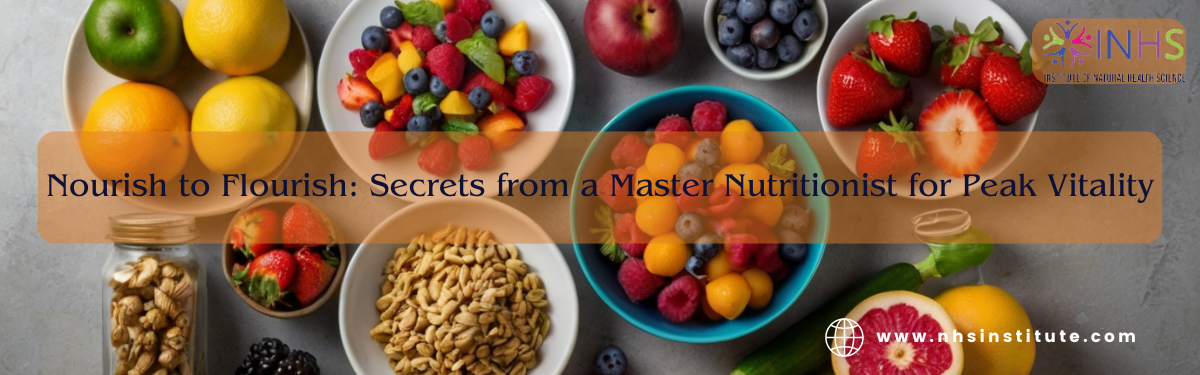
    Nourish to Flourish: Secrets from a Master Nutritionist for Peak Vitality

    [vc_row][vc_column][vc_column_text]Feeling your best starts with what you put in your body. This beginner’s guide shares secrets from a Master Nutritionist to help you achieve peak vitality. With practical tips and easy-to-understand strategies, you’ll learn how to nourish your body and unlock your full potential.

    Understanding the Basics of Nutrition

    Before diving into the secrets, it’s essential to understand the basics of nutrition. Nutrition is the science of how food affects the body and overall health.

    1.    Macronutrients: The Big Three

    Macronutrients are the primary building blocks of your diet. They include carbohydrates, proteins, and fats, each playing a crucial role in your health.

    2.    Carbohydrates: Your Body’s Fuel

    Carbohydrates are your body’s main source of energy. They power your daily activities and keep your brain functioning optimally.

    3.    Proteins: The Body’s Building Blocks

    Proteins are essential for growth, repair, and maintenance of body tissues. They also play a vital role in immune function.

    4.    Fats: Essential for Health

    Fats are necessary for nutrient absorption, hormone production, and cell health. They provide long-lasting energy and support brain function.

    5.    Micronutrients: Small but Mighty

    Micronutrients, including vitamins and minerals, are vital for overall health. They support various bodily functions, from bone health to immune support.

    The Power of Whole Foods

    Whole foods are minimally processed and packed with nutrients. Incorporating more whole foods into your diet is a key strategy for peak vitality.

    1.    Fruits and Vegetables: Nutrient Powerhouses

    Fruits and vegetables are rich in vitamins, minerals, and antioxidants. They help protect against disease and keep your body functioning smoothly.

    2.    Whole Grains: Sustained Energy

    Whole grains like quinoa, brown rice, and oats provide sustained energy and fiber. They help regulate blood sugar and support digestive health.

    3.    Lean Proteins: Essential Nutrients

    Lean proteins, such as chicken, fish, beans, and tofu, provide essential amino acids. They support muscle growth and repair.

    4.    Healthy Fats: Necessary for Vitality

    Healthy fats from sources like avocados, nuts, seeds, and olive oil are crucial for brain health and reducing inflammation.

    Hydration: The Forgotten Key

    Staying hydrated is vital for overall health. Water supports every function in your body, from digestion to temperature regulation.

    1.    Drink Plenty of Water

    Aim to drink at least eight cups of water a day. Hydration needs can vary based on activity level and climate.

    2.    Hydrating Foods

    Incorporate hydrating foods like cucumbers, watermelon, and oranges into your diet. These foods provide water and essential nutrients.

    Meal Timing and Portion Control

    When and how much you eat can significantly impact your energy levels and overall health.

    1.    The Importance of Regular Meals

    Eating regular meals helps maintain steady energy levels and prevents overeating. Aim for three balanced meals and healthy snacks as needed.

    2.    Mindful Eating: Listen to Your Body

    Pay attention to your body’s hunger and fullness cues. Mindful eating helps you enjoy your food and avoid overeating.

    3.    Balanced Portions

    Focus on balanced portions of macronutrients. Fill half your plate with fruits and vegetables, a quarter with lean protein, and a quarter with whole grains.

    Superfoods for Peak Vitality

    Superfoods are nutrient-dense foods that provide numerous health benefits. Incorporate these power-packed foods into your diet for optimal health.

    1.    Berries: Antioxidant-Rich

    Berries like blueberries, strawberries, and raspberries are rich in antioxidants. They help protect your body from oxidative stress.

    2.    Leafy Greens: Nutrient-Dense

    Leafy greens such as spinach, kale, and Swiss chard are packed with vitamins and minerals. They support overall health and vitality.

    3.    Nuts and Seeds: Healthy Fats and Protein

    Nuts and seeds provide healthy fats, protein, and essential nutrients. They make great snacks and additions to meals.

    4.    Fermented Foods: Gut Health

    Fermented foods like yogurt, kefir, sauerkraut, and kimchi support gut health. A healthy gut is crucial for overall well-being.

    Supplements: When and What to Consider

    While a balanced diet should provide most of your nutrients, supplements can help fill gaps. It’s important to choose high-quality supplements and consult with a healthcare provider.

    1.    Common Supplements

    Consider supplements like vitamin D, omega-3 fatty acids, and probiotics. These can support bone health, reduce inflammation, and improve gut health.

    2.    Choosing the Right Supplements

    Select supplements that are third-party tested for quality and safety. Avoid over-supplementation and stick to recommended dosages.

    Creating a Personalized Nutrition Plan

    Everyone’s nutritional needs are different. Creating a personalized nutrition plan helps ensure you’re meeting your specific needs.

    1.    Assess Your Needs

    Consider your age, activity level, and health goals. This will help determine your nutritional requirements.

    2.    Plan Balanced Meals

    Focus on balanced meals that include a variety of nutrients. Use meal planning tools and apps to help you stay organized.

    3.    Monitor and Adjust

    Keep track of your energy levels, mood, and overall health. Adjust your plan as needed based on your observations and any changes in your health.

    The Role of a Master Nutritionist

    A Master Nutritionist has advanced knowledge and expertise in nutrition. They can help you create and maintain a nutrition plan that supports peak vitality.

    1.    Benefits of Working with a Master Nutritionist

    Working with a Master Nutritionist provides personalized guidance and support. They can help you navigate dietary challenges and optimize your nutrition.

    2.    How to Become a Master Nutritionist

    If you’re passionate about nutrition, consider pursuing a Master Nutritionist Certificate. This certification provides advanced knowledge and skills to help others achieve their health goals.

    Conclusion: Nourish to Flourish

    Achieving peak vitality starts with nourishing your body with the right foods. By understanding the basics of nutrition, incorporating whole foods, staying hydrated, and creating a personalized nutrition plan, you can unlock your full potential. For personalized guidance, consider working with a Master Nutritionist or pursuing a Master Nutritionist Certificate to deepen your knowledge.

    Ready to transform your health? Enroll in our Master Nutritionist Certificate program today and become an expert in optimizing nutrition for peak vitality![/vc_column_text][/vc_column][/vc_row]