Images

  • Fueling for Success: How Elite Athletes Optimize with Sport Nutrition

    Fueling for Success: How Elite Athletes Optimize with Sport Nutrition

    [vc_row][vc_column][vc_column_text]

    In the world of elite sports, nutrition is a game-changer. It’s not just about training hard but also about eating smart. In this beginner’s guide, we’ll dive into how elite athletes fuel their bodies for peak performance. By the end, you’ll have a clear understanding of sport nutrition and how it can transform your fitness journey.

    Understanding Sport Nutrition

    Sport nutrition is the study of how food and drink influence athletic performance. It focuses on providing the right nutrients at the right times to maximize performance and recovery.

    The Role of Macronutrients

    Macronutrients are the building blocks of a healthy diet. They include carbohydrates, proteins, and fats, each playing a unique role in athletic performance.

    Carbohydrates: The Energy Powerhouse

    Carbohydrates are the primary energy source for athletes. They fuel intense workouts and help maintain endurance during long events.

    Proteins: The Building Blocks

    Proteins are essential for muscle repair and growth. They also support immune function and overall recovery.

    Fats: The Long-lasting Fuel

    Fats provide sustained energy and are crucial for long-duration sports. They also aid in hormone production and nutrient absorption.

    The Importance of Micronutrients

    Micronutrients, including vitamins and minerals, are vital for overall health and athletic performance. They help with energy production, bone health, and immune function.

    Pre-Workout Nutrition

    What you eat before a workout can make a big difference in your performance. The goal is to fuel up with the right nutrients to power through your training.

    Timing Your Pre-Workout Meal

    Eating a balanced meal 2-3 hours before exercise gives your body time to digest and absorb nutrients. This meal should include a mix of carbohydrates, protein, and fats.

    Snack Attack: Fueling Up Closer to Game Time

    If you’re eating closer to your workout, focus on easily digestible carbs and a small amount of protein. Think bananas, energy bars, or a smoothie.

    During Workout Nutrition

    For longer or more intense workouts, it’s important to refuel during exercise. This helps maintain energy levels and performance.

    Hydration: The Key to Sustained Performance

    Staying hydrated is crucial. Drink water regularly and consider sports drinks for workouts lasting over an hour to replenish electrolytes.

    Quick Carbs: Keeping the Energy Up

    For endurance sports, consume quick-digesting carbs like gels, chews, or sports drinks to keep your energy up.

    Post-Workout Nutrition

    Recovery is where the magic happens. What you eat after a workout can help repair muscles, replenish energy stores, and reduce soreness.

    The 30-Minute Window

    Consume a mix of protein and carbs within 30 minutes of finishing your workout. This helps maximize muscle repair and glycogen replenishment.

    Hydration: Replenish and Recover

    Rehydrate with water or an electrolyte drink to replace fluids lost through sweat.

    Special Considerations for Different Sports

    Different sports have different nutritional needs. Here’s a quick look at how nutrition varies across some popular sports.

    Endurance Sports

    Endurance athletes need a steady supply of carbs and should focus on hydration and electrolyte balance.

    Strength Sports

    Strength athletes benefit from higher protein intake to support muscle growth and recovery.

    Team Sports

    Team sports require a mix of endurance and strength nutrition strategies, with an emphasis on quick energy and recovery.

    Supplements: Yay or Nay?

    While whole foods should be your primary source of nutrients, some supplements can be beneficial for athletes.

    Common Supplements for Athletes

    – Protein Powder: Helps meet protein needs.

    – Creatine: Supports strength and power.

    – BCAAs: May aid in muscle recovery.

    – Electrolytes: Replenish minerals lost through sweat.

    Choosing the Right Supplements

    Always choose high-quality, third-party tested supplements. Consult a sports nutritionist or dietitian to ensure they’re right for you.

    Creating a Personalized Nutrition Plan

    Every athlete is unique, and so are their nutritional needs. Here’s how to start crafting a plan that works for you.

    Assess Your Needs

    Consider your sport, training schedule, and individual goals.

    Plan Your Meals and Snacks

    Focus on balanced meals with a variety of nutrients. Plan snacks around your workouts to fuel and recover effectively.

    Monitor and Adjust

    Keep track of your energy levels, performance, and recovery. Adjust your nutrition plan as needed based on your observations.

    Conclusion: The Winning Edge

    Sport nutrition is more than just a diet; it’s a strategy for success. By understanding and implementing these principles, you can enhance your athletic performance and overall health. If you’re serious about mastering sport nutrition, consider enrolling in our Sport Nutrition Certificate program at INHS. Empower yourself with the knowledge and skills to optimize your nutrition and fuel your success.

    [/vc_column_text][/vc_column][/vc_row]

  • The Weight Management Blueprint: Expert Strategies for a Leaner Life

    The Weight Management Blueprint: Expert Strategies for a Leaner Life

    [vc_row][vc_column][vc_column_text]

    Maintaining a healthy weight is essential for overall well-being and longevity. However, with so much conflicting information out there, it can be challenging to know where to start. In this beginner’s guide to weight management, we’ll explore expert strategies and practical tips to help you achieve and maintain a leaner life.

    Understanding Weight Management

    Weight management encompasses more than just shedding pounds—it’s about finding a balance that works for your body and lifestyle. By focusing on sustainable habits rather than quick fixes, you can achieve long-term success in maintaining a healthy weight.

    The Science of Weight Loss

    Before diving into strategies, let’s understand the science behind weight loss. At its core, weight loss is achieved by creating a calorie deficit—burning more calories than you consume. However, not all calories are created equal, and factors like macronutrient composition, metabolism, and hormonal balance play crucial roles in weight management.

    Setting Realistic Goals

    Setting realistic goals is key to success in weight management. Start by identifying your long-term objectives, whether it’s losing a specific amount of weight or improving your overall health. Break these goals down into smaller, achievable milestones to keep yourself motivated along the way.

    Nutrition Essentials for Weight Management

    Nutrition is the cornerstone of weight management. Focus on incorporating whole, nutrient-dense foods into your diet, such as fruits, vegetables, lean proteins, and healthy fats. Aim for a balanced plate at each meal, and be mindful of portion sizes to avoid overeating.

    Building Healthy Eating Habits

    Building healthy eating habits is essential for sustainable weight management. Practice mindful eating by paying attention to hunger and fullness cues, and avoid emotional eating triggers. Incorporate regular meals and snacks into your routine to maintain stable energy levels throughout the day.

    The Role of Physical Activity

    Physical activity is another critical component of weight management. Aim for a combination of cardiovascular exercise, strength training, and flexibility exercises to promote overall health and fitness. Find activities you enjoy, and make movement a regular part of your daily routine.

    Stress Management and Sleep Quality

    Stress management and adequate sleep are often overlooked but crucial aspects of weight management. Chronic stress can lead to overeating and weight gain, while poor sleep can disrupt hormone levels that regulate appetite and metabolism. Prioritize stress-reducing activities and aim for 7-9 hours of quality sleep each night.

    Mindset and Motivation

    Maintaining a positive mindset and staying motivated are essential for long-term success in weight management. Celebrate your progress, no matter how small, and practice self-compassion on your journey. Surround yourself with supportive friends and family, and seek professional help if you’re struggling to stay motivated.

    Tracking Progress and Adjusting Goals

    Tracking your progress is key to staying accountable and making adjustments as needed. Keep a food journal, track your workouts, and monitor changes in your weight and measurements over time. Be flexible with your approach and willing to adjust your goals based on what works best for you.

    Seeking Support and Accountability

    Finally, don’t be afraid to seek support and accountability from others. Whether it’s joining a fitness class, working with a personal trainer, or participating in an online community, surrounding yourself with like-minded individuals can help keep you motivated and on track toward your weight management goals.

    Conclusion: Your Weight Management Journey Starts Here

    In conclusion, effective weight management is achievable with the right strategies and mindset. By focusing on nutrition, physical activity, stress management, and sleep quality, you can create a sustainable approach to achieving and maintaining a leaner life.

    Ready to take control of your weight and help others do the same? Enrol in our Weight Management Expert Certificate course today and gain the knowledge and skills to become a certified weight management specialist. Start your journey towards a healthier, leaner life now!

    [/vc_column_text][/vc_column][/vc_row]

  • The Path to Wellness: Unleashing the Potential of Holistic Nutrition

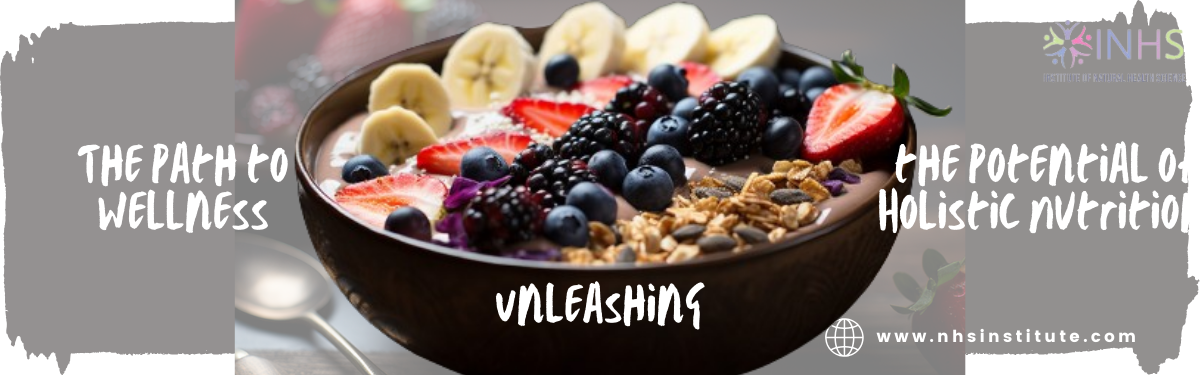
    The Path to Wellness: Unleashing the Potential of Holistic Nutrition

    [vc_row][vc_column][vc_column_text]

    Introduction

    In a world where self-care and wellness are becoming increasingly important, holistic nutrition has emerged as a powerful tool for achieving optimal health. Unlike traditional nutrition approaches that focus solely on food, holistic nutrition takes into account the whole person—body, mind, and spirit—and aims to create balance and harmony in all aspects of life.

    With a focus on natural, whole foods and mindful eating practices, holistic nutrition provides a path to wellness that goes beyond counting calories and restricting food groups. It encourages individuals to nourish their bodies with nutrient-dense foods, while also addressing other lifestyle factors such as stress management, exercise, and sleep.

    By adopting a holistic approach to nutrition, individuals can unlock the potential for improved health and well-being. This article explores the principles of holistic nutrition and provides valuable insights into how incorporating this approach into your daily life can lead to a more vibrant, energized, and balanced existence. Start your journey towards wellness today and discover the transformative power of holistic nutrition.

    Understanding Holistic Nutrition

    Holistic nutrition is a comprehensive approach to nourishing the body, mind, and spirit. It recognizes that every person is unique and that their nutritional needs can vary based on individual factors such as age, gender, genetics, and lifestyle. Holistic nutrition emphasizes the importance of consuming whole, unprocessed foods that are rich in nutrients and free from harmful additives or chemicals.

    One of the key principles of holistic nutrition is the belief that food is not just fuel for the body, but also has the potential to heal and restore. This approach takes into consideration the various ways in which food interacts with the body, including its impact on digestion, absorption, metabolism, and elimination. By understanding these processes, individuals can make informed choices about the foods they consume, ensuring that they are providing their bodies with the necessary nutrients for optimal health.

    Holistic nutrition also recognizes the interconnectedness of the body, mind, and spirit. It acknowledges that emotional well-being, stress levels, and mental health can all influence physical health. As a result, holistic nutrition aims to address not only the physical aspects of nutrition but also the emotional and spiritual aspects. This holistic approach seeks to create balance and harmony in all areas of life, supporting overall wellness.

    The Importance of Holistic Nutrition for Overall Wellness

    The food we consume has a direct impact on our health and well-being. A diet that is high in processed foods, refined sugars, and unhealthy fats can contribute to a variety of health issues, including obesity, diabetes, heart disease, and cancer. On the other hand, a diet that is rich in whole, nutrient-dense foods can support optimal health and reduce the risk of chronic diseases.

    Holistic nutrition takes this concept a step further by recognizing that there are other factors beyond food that can influence our health. Stress, lack of sleep, sedentary lifestyle, and environmental toxins can all take a toll on our overall well-being. By addressing these factors along with nutrition, holistic nutrition offers a more comprehensive approach to wellness.

    When we nourish our bodies with wholesome foods and adopt healthy lifestyle habits, we provide our bodies with the tools they need to function optimally. This can lead to increased energy levels, improved digestion, enhanced mental clarity, better sleep, and a stronger immune system. By prioritizing our health and well-being through holistic nutrition, we can experience a higher quality of life and reduce the risk of chronic diseases.

    The Connection Between Food and Health

    The saying “you are what you eat” holds true when it comes to holistic nutrition. The food we consume plays a crucial role in determining our overall health and well-being.

    Whole, unprocessed foods are packed with essential nutrients such as vitamins, minerals, antioxidants, and fiber. These nutrients are vital for maintaining a strong immune system, supporting healthy digestion, promoting mental clarity, and preventing chronic diseases. By consuming a variety of colorful fruits and vegetables, lean proteins, whole grains, and healthy fats, we can provide our bodies with the necessary building blocks for optimal health.

    In contrast, a diet that is high in processed foods, refined sugars, and unhealthy fats can have detrimental effects on our health. These foods are often stripped of their nutrients and filled with additives, preservatives, and artificial ingredients. They can contribute to inflammation, oxidative stress, imbalanced blood sugar levels, and weight gain. By reducing our intake of these unhealthy foods and focusing on whole, nutrient-dense options, we can improve our health and well-being.

    It’s important to note that the quality of the food we consume also matters. Organic and locally sourced foods are often higher in nutrients and free from harmful pesticides or chemicals. By choosing organic produce, grass-fed meats, and wild-caught fish, we can further enhance the nutritional value of our meals and minimize our exposure to toxins.

    The Benefits of Incorporating Holistic Nutrition into Your Lifestyle

    Incorporating holistic nutrition into your lifestyle can have numerous benefits for your overall health and well-being. By focusing on nourishing your body with whole, nutrient-dense foods and adopting healthy lifestyle habits, you can experience the following benefits:

    1. Increased Energy Levels

    When we consume foods that are rich in nutrients, our bodies have the fuel they need to function optimally. Nutrient-dense foods provide a steady source of energy, helping to prevent energy crashes and fatigue. By incorporating more fruits, vegetables, whole grains, and lean proteins into your diet, you can boost your energy levels and improve your productivity throughout the day.

    2. Improved Digestion and Gut Health

    Holistic nutrition emphasizes the importance of a healthy digestive system. By consuming foods that are high in fiber, probiotics, and digestive enzymes, you can support the growth of beneficial gut bacteria and improve your digestion. This can help prevent digestive issues such as bloating, gas, constipation, and diarrhea. A healthy gut also plays a crucial role in supporting a strong immune system and overall well-being.

    3. Enhanced Mental Clarity

    The foods we consume can have a direct impact on our cognitive function and mental clarity. By nourishing our bodies with nutrient-dense foods, we can support optimal brain health and improve our ability to focus, concentrate, and think clearly. Foods that are rich in omega-3 fatty acids, antioxidants, and vitamins B6 and B12 are particularly beneficial for brain health.

    4. Weight Management

    Holistic nutrition focuses on nourishing the body with wholesome foods rather than restricting calories or food groups. By adopting this approach, individuals can develop a healthier relationship with food and maintain a more balanced weight. Nutrient-dense foods are often more satisfying and can help control cravings and hunger. Additionally, by addressing other lifestyle factors such as stress and sleep, holistic nutrition can support weight management efforts.

    5. Reduced Risk of Chronic Diseases

    A diet that is rich in whole, nutrient-dense foods can help reduce the risk of chronic diseases such as heart disease, diabetes, and certain types of cancer. These foods are packed with antioxidants and phytochemicals that help protect the body against oxidative stress and inflammation. By incorporating more fruits, vegetables, whole grains, and healthy fats into your diet, you can support your long-term health and well-being.

    6. Improved Sleep Quality

    The foods we consume can have a significant impact on the quality of our sleep. By avoiding foods that are high in refined sugars, caffeine, and unhealthy fats, and instead opting for foods that promote relaxation and restful sleep, we can improve our sleep quality. Foods that are rich in tryptophan, magnesium, and melatonin, such as turkey, bananas, and almonds, can support a good night’s sleep.

    7. Enhanced Emotional Well-being

    Holistic nutrition recognizes the connection between food and emotions. Certain foods can have a positive impact on our mood and emotional well-being. For example, foods that are rich in omega-3 fatty acids, such as fatty fish and walnuts, have been shown to improve symptoms of depression and anxiety. By nourishing our bodies with foods that support emotional well-being, we can enhance our overall mood and outlook on life.

    By incorporating these principles into your daily life, you can experience the transformative power of holistic nutrition and unlock your full potential for health and well-being.

    Conclusion

    In conclusion, holistic nutrition offers a comprehensive approach to wellness by considering the whole body and the impact of our food choices on our. By following the guidance of experts and professionals in the field, we can implement proven strategies and solutions to achieve optimal nutrition and overall well-being. It’s not about rigid rules or restrictions, but about finding the right tools and methods that work for you. With just a few simple changes to your daily routine, you can start seeing results in your health and happiness. Don’t hesitate any longer – begin your holistic nutrition journey today and experience the benefits for yourself. Take the first step towards a healthier lifestyle by enrolling in the Holistic Nutrition Program from INHS. Let’s work together to achieve holistic harmony and whole-body wellness through optimal nutrition.

    [/vc_column_text][/vc_column][/vc_row]
  • Performance Nutritionist: Guide to Mastery

    Performance Nutritionist: Guide to Mastery

    [vc_row][vc_column][vc_column_text]

    Are you ready to take your performance nutrition game to the next level? As a performance nutritionist, you are no stranger to the importance of fueling your body with the right to achieve optimal results. This intriguing journey into the world of extensive nutrition strategies is for professionals like you who are devoted to reaching their peak performance levels.

    From maximizing energy levels to enhancing recovery, the power of performance nutrition is undeniable. By understand the impact of different ingredients on your body and learn how to make your own nutrition plan, so you can unlock your true potential. This ultimate guide helps you with the knowledge and tools you need to master your game and take your performance to new heights. Let’s dive in and discover the secrets to achieving optimal performance through the art of nutrition.

    I. Introduction

    1. Importance of performance nutrition in maximizing energy levels and enhancing recovery
    2. Tailoring nutrition plan to specific needs for optimal results
    3. Goal of equipping readers with knowledge and tools to master their game

    II. Understanding Performance Nutrition

    1. Impact of different ingredients on the body
    2. How nutrition can unlock true potential
    3. Benefits of a well-rounded nutrition plan for athletes

    III. Tailoring Your Nutrition Plan

    1. Identifying individual needs and goals
    2. Creating a balanced diet to support performance
    3. Incorporating key nutrients for energy and recovery

    IV. Advanced Nutrition Strategies

    1. Timing meals and snacks for optimal performance
    2. Hydration and its impact on athletic performance
    3. Supplements to enhance performance and recovery

    V. Implementing Your Nutrition Plan

    1. Meal prepping and planning for success
    2. Tracking progress and making adjustments as needed
    3. Seeking guidance from a performance nutritionist for personalized support

    VI. Conclusion

    1. Recap of the importance of mastering performance nutrition
    2. Encouragement to take steps towards optimizing nutrition for peak performance
    3. Empowerment to unlock true potential through the art of nutrition.

    Key Steps to master Performance Nutrition

    If you want to become a master in performance nutrition, there are a few key steps to follow.

    1. Make sure you are meal prepping and planning ahead for success. This will help you stay on track with your nutrition goals and make healthy choices.
    2. Tracking your progress and making adjustments as needed is crucial to seeing results.
    3. If you feel overwhelmed, seeking guidance from a performance nutritionist can provide personalized support to help you reach your peak performance.

    By mastering performance nutrition, you can unlock your true potential and achieve your goals. Remember, taking small steps towards optimizing your nutrition can make a big impact on your overall health and performance.

    Conclusion

    In conclusion, performance nutrition is a crucial aspect of reaching your peak potential. By focusing on macronutrients, micronutrients, hydration, and personalized nutrition plans, you can optimize your performance and achieve your goals. Remember to fuel body with the right ingredients and after workouts, and consider incorporating supplements to support your performance. If you’re feeling overwhelmed or unsure where to start, consider seeking guidance from a performance nutritionist to create a plan tailored to your needs.

    If you’re ready take your performance to the next level, consider enrolling in the Performance Nutrition program from INHS. With expert guidance and personalized support, you can unlock your true potential and reach your peak performance. Don’t wait any longer – take the first step towards optimizing your nutrition and achieving your goals today!

    [/vc_column_text][/vc_column][/vc_row]

  • Achieve Optimal Health and Wellness: 5 Easy Tips to Maintain a Balanced Diet

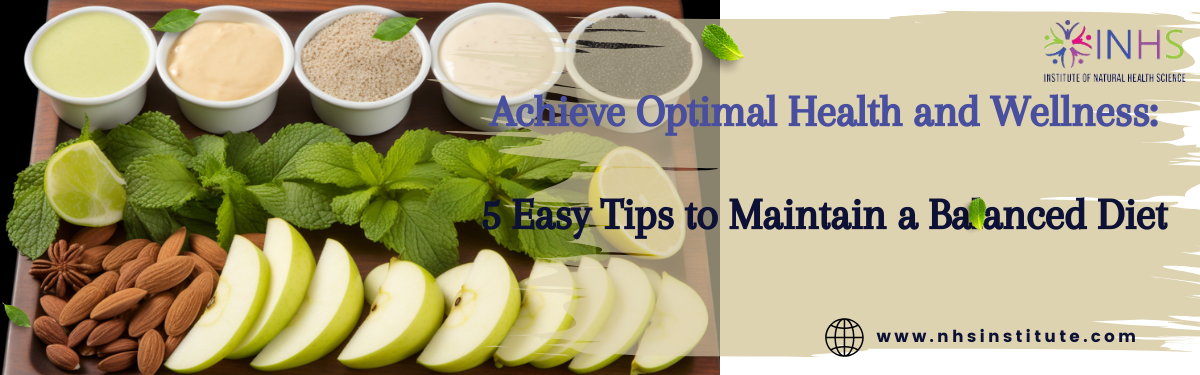
    Achieve Optimal Health and Wellness: 5 Easy Tips to Maintain a Balanced Diet

    [vc_row][vc_column][vc_column_text]

    In the quest for optimal health and wellness, the path we choose to follow can significantly influence our journey’s success. It’s a pursuit that demands attention, dedication, and a deep understanding of our bodies’ nutritional needs. As we navigate through the myriad of dietary advice and health trends, it becomes essential to ground our approach in foundational principles that stand the test of time. In this article, I aim to demystify the concept of a balanced diet and offer practical tips to integrate it seamlessly into your daily life, propelling you toward your health and wellness goals.

    Understanding the importance of a balanced diet

    Embarking on the journey toward health and wellness begins with a fundamental appreciation for the role of a balanced diet. It’s the cornerstone of a healthy lifestyle, yet its significance often gets overshadowed by the latest diet fads and quick-fix solutions. A balanced diet isn’t just about weight management; it’s about nurturing your body, providing it with the essential nutrients it needs to function optimally, fight illnesses, and maintain energy levels. This understanding is crucial because it shifts our focus from restrictive eating patterns to embracing a variety of foods that contribute to our overall well-being.

    Nutrition is a complex field, and the idea of a balanced diet can seem overwhelming at first glance. However, at its core, it’s about ensuring that our meals are diverse and rich in the nutrients that our bodies require. This means incorporating a wide range of fruits, vegetables, whole grains, proteins, and healthy fats into our daily intake. By doing so, we not only cater to our body’s nutritional needs but also enhance our ability to resist diseases, improve our mental health, and boost our energy levels. It’s a holistic approach that recognizes the interconnectedness of our dietary choices with our physical and mental health.

    The transition to a balanced diet requires a mindset shift. It’s about viewing food as a source of nourishment and pleasure, rather than as a set of restrictions. This perspective fosters a healthier relationship with food, where choices are made based on their benefits to our health and well-being, rather than out of fear or guilt. Embracing this mindset is the first step toward achieving a balanced diet that supports our health and wellness goals.

    The role of nutrition in achieving optimal health and wellness

    Nutrition plays a pivotal role in our journey toward optimal health and wellness. It’s the fuel that powers our bodies, influencing our physical health, emotional well-being, and even our mental clarity. Understanding the impact of nutrition on our overall health is essential for making informed choices about our diet.

    The nutrients we consume through food are instrumental in every bodily function. From the regeneration of cells to the production of energy, our bodies rely on a steady supply of vitamins, minerals, proteins, fats, and carbohydrates. This delicate balance is what keeps our systems running smoothly, enabling us to thrive. When our diet lacks these essential nutrients, our health can suffer, manifesting in fatigue, weakened immunity, and an increased risk of chronic diseases.

    Moreover, nutrition has a profound effect on our mental health. Research has shown a strong link between diet and mood, highlighting how certain foods can influence our brain chemistry and, consequently, our emotions and cognitive functions. For instance, omega-3 fatty acids found in fish have been associated with reduced rates of depression, while a diet high in processed foods has been linked to an increased risk of developing mood disorders.

    By prioritizing nutrition in our quest for health and wellness, we empower ourselves to make choices that not only enhance our physical health but also support our mental and emotional well-being. It’s a holistic approach that recognizes the intricate relationship between what we eat and how we feel, both physically and mentally.

    Five easy tips for maintaining a balanced diet

    Transitioning to a balanced diet doesn’t have to be a daunting task. With a few simple strategies, you can make lasting changes to your eating habits that support your health and wellness goals. Here are five easy tips to help you maintain a balanced diet:

    1. Plan Your Meals: Taking the time to plan your meals for the week can make a significant difference. It allows you to ensure that your diet is varied and balanced, incorporating a wide range of nutrients. Meal planning also reduces the likelihood of resorting to unhealthy convenience foods when you’re short on time.
    2. Focus on Whole Foods: Center your diet around whole foods, such as fruits, vegetables, whole grains, lean proteins, and healthy fats. These foods are naturally rich in essential nutrients and provide the foundation for a balanced diet.
    3. Stay Hydrated: Often overlooked, hydration plays a crucial role in maintaining a balanced diet. Water is essential for digestion, nutrient absorption, and overall bodily functions. Make sure to drink plenty of water throughout the day to support your health and wellness.
    4. Practice Mindful Eating: Pay attention to your body’s hunger and fullness cues. Eating mindfully encourages a healthier relationship with food and helps prevent overeating. It’s about enjoying your meals without distractions and savoring the flavors and textures of your food.
    5. Seek Professional Guidance: If you’re unsure where to start or need personalized advice, don’t hesitate to seek the help of a nutritionist or dietitian. They can provide tailored recommendations based on your individual health needs and goals.

    By incorporating these tips into your daily routine, you can make significant strides toward maintaining a balanced diet that supports your health and wellness.

    Incorporating whole foods into your daily meals

    Whole foods are the cornerstone of a balanced diet. They are minimally processed, free from additives, and packed with essential nutrients. Incorporating whole foods into your daily meals is a simple yet effective way to enhance your health and wellness.

    Start by incorporating a variety of fruits and vegetables into your diet. Aim for a rainbow of colors to ensure you’re getting a wide range of vitamins, minerals, and antioxidants. Whole grains, such as quinoa, brown rice, and whole wheat, are excellent sources of fiber and nutrients. Lean proteins, including beans, lentils, fish, and poultry, provide essential amino acids, while healthy fats from avocados, nuts, and seeds offer vital fatty acids.

    Experimenting with new recipes and ingredients can make the transition to whole foods more enjoyable. Explore different cuisines and cooking methods to discover what you enjoy most. Remember, the goal is to nourish your body with nutrient-dense foods that support your health and wellness.

    The benefits of mindful eating for overall well-being

    Mindful eating is a practice that encourages being fully present during meals, paying attention to the flavors, textures, and sensations of your food. It’s about appreciating the nourishment your meals provide and listening to your body’s cues. This approach has numerous benefits for overall well-being.

    Mindful eating can help improve your relationship with food, moving away from restrictive eating patterns and towards a more balanced approach. It allows you to enjoy your meals without guilt or anxiety, promoting a healthier mindset around food. Additionally, by being attentive to your body’s hunger and fullness signals, mindful eating can aid in weight management and reduce the risk of overeating.

    The practice of mindful eating also has the potential to enhance your mental and emotional well-being. It encourages a moment of pause in your day, providing an opportunity for relaxation and reflection. This can lower stress levels and improve mood, contributing to a greater sense of overall well-being.

    The impact of hydration on maintaining a balanced diet

    Hydration is a critical component of maintaining a balanced diet, yet it’s often overlooked. Water is essential for virtually every bodily function, including digestion, nutrient absorption, and the regulation of body temperature. Ensuring adequate hydration is crucial for supporting your health and wellness.

    Drinking sufficient water can also aid in weight management by promoting a feeling of fullness and preventing overeating. Furthermore, staying hydrated contributes to clearer skin, improved energy levels, and better cognitive function. It’s a simple yet effective way to enhance your overall health.

    To maintain proper hydration, aim to drink at least eight glasses of water a day, or more if you’re active or live in a hot climate. Additionally, incorporating water-rich foods, such as fruits and vegetables, can contribute to your daily fluid intake.

    The role of portion control in achieving optimal health and wellness

    Portion control is a vital aspect of maintaining a balanced diet. It’s about understanding how much food your body needs and adjusting your intake accordingly. This doesn’t mean restricting your food intake but rather eating in moderation to support your health and wellness goals.

    One effective strategy for portion control is using smaller plates, which can help you naturally consume less food without feeling deprived. Additionally, listening to your body’s hunger and fullness cues can guide you in determining appropriate portion sizes. It’s about eating until you’re satisfied, not stuffed.

    Portion control also involves being mindful of serving sizes, especially when eating out or consuming packaged foods. It’s easy to underestimate the amount of food we’re consuming, so paying attention to labels and restaurant portions can help you make more informed choices.

    The importance of regular physical activity for a balanced lifestyle

    While nutrition is a crucial component of health and wellness, regular physical activity is equally important. Exercise complements a balanced diet by improving cardiovascular health, strengthening muscles, and boosting mental health. It’s an integral part of a holistic approach to wellness.

    Aim to incorporate a mix of aerobic exercises, strength training, and flexibility workouts into your routine. This not only helps improve overall fitness but also keeps your exercise regimen varied and enjoyable. Remember, the best form of exercise is one that you enjoy and can maintain consistently.

    Physical activity also has positive effects on mental health, reducing symptoms of depression and anxiety. It promotes a sense of well-being, improves sleep quality, and boosts self-esteem. By integrating regular exercise into your lifestyle, you support your health and wellness from multiple angles.

    Seeking professional guidance for personalized dietary recommendations

    Every individual’s body is unique, and what works for one person may not work for another. This is why seeking professional guidance from a nutritionist or dietitian can be invaluable in your health and wellness journey. They can provide personalized dietary recommendations tailored to your specific needs and goals.

    A professional can help you navigate the complexities of nutrition, offering advice on meal planning, portion control, and nutrient intake. They can also provide support and accountability, helping you stay on track with your health and wellness objectives.

    If you’re looking to deepen your understanding of nutrition and wellness, consider pursuing a Health and Wellness Coach Certification from INHS. This certification can empower you to make informed choices about your health and even support others in their wellness journeys.

    Conclusion: Embracing a balanced diet for long-term health and wellness

    Achieving optimal health and wellness is a journey that requires dedication, knowledge, and a holistic approach. By understanding the importance of a balanced diet and incorporating practical tips into your daily life, you can make significant strides toward your health goals. Remember, it’s not about perfection but progress. Embracing whole foods, practicing mindful eating, staying hydrated, managing portions, engaging in regular physical activity, and seeking professional guidance are all key components of a balanced lifestyle.

    As you move forward in your journey, keep in mind that health and wellness are deeply personal. What matters most is finding a balance that works for you, one that nourishes your body, supports your mental and emotional well-being, and aligns with your lifestyle. By doing so, you set the foundation for long-term health and wellness, enabling you to lead a fulfilling and vibrant life.

    For those interested in furthering their knowledge and expertise in this field, consider the Health and Wellness Coach Certification from INHS. It’s a step toward not only enhancing your own health and wellness but also empowering others to achieve their goals.

    [/vc_column_text][/vc_column][/vc_row]
  • Understanding the Vital Role of Mindful Eating in Holistic Nutrition

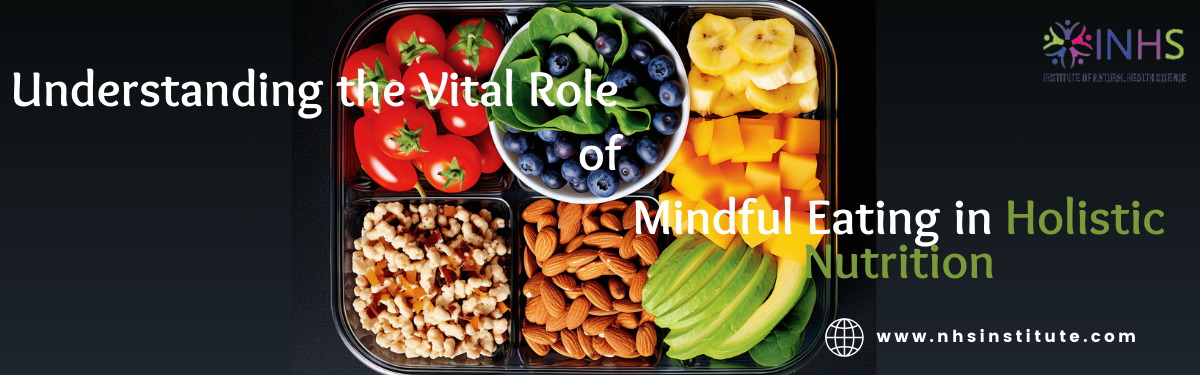
    Understanding the Vital Role of Mindful Eating in Holistic Nutrition

    [vc_row][vc_column][vc_column_text]

    Welcome to an exploration of mindful eating within the framework of holistic nutrition. As someone deeply interested in the interconnections between our dietary choices and our overall well-being, I’ve come to appreciate the profound impact that mindful eating can have on our health. In this article, we’ll delve into what mindful eating is, its significance in holistic nutrition, and practical ways to incorporate it into your life. Whether you’re a seasoned practitioner or new to the concept, this exploration aims to enrich your understanding and practice of holistic nutrition.

    Introduction to Holistic Nutrition

    Holistic nutrition is a comprehensive approach to health that considers the whole person—body, mind, and spirit—in the quest for optimum health and wellness. Unlike traditional nutrition models that focus solely on the physical aspect of food, such as calorie intake and macronutrient balance, holistic nutrition delves into the quality of the food we consume, its source, its nutritional value, and how it affects our emotional and spiritual well-being. It is a philosophy that acknowledges food as medicine, with the power to profoundly heal, feed, and balance our bodies.

    In my journey through understanding holistic nutrition, I’ve learned that it’s not just about eating organic foods or following the latest dietary trends. It’s about developing a deep connection with food, understanding its origins, and acknowledging the role it plays in supporting our health. Holistic nutrition encourages us to look beyond the plate, considering environmental and ethical implications of our food choices, and fostering a sustainable relationship with food.

    This approach also emphasizes the importance of individuality in dietary choices. Acknowledging that no single way of eating works for everyone, holistic nutrition considers personal dietary needs, genetic predispositions, and lifestyle factors. It’s an invitation to become more attuned to our bodies and to make mindful choices that support our unique path to wellness.

    What is Mindful Eating?

    Mindful eating is the practice of bringing one’s full attention to the process of eating, savoring each bite, and acknowledging our responses to food (likes, dislikes, or neutral) without judgment. It involves noticing the colors, textures, flavors, and aromas of our food, as well as our body’s hunger and satiety cues. Mindful eating turns the act of eating into a meditation, allowing us to experience the joy of nourishment while also respecting our body’s needs.

    At the heart of mindful eating is the intention to break free from habitual eating behaviors, such as eating too quickly, eating while distracted, or using food to soothe emotional distress. By eating mindfully, we learn to appreciate food as more than just fuel. We begin to see it as an opportunity to nurture ourselves, to engage all our senses, and to cultivate gratitude for the nourishment it provides.

    Practicing mindful eating has transformed my relationship with food. It has taught me to slow down, to listen to my body, and to enjoy the simple pleasures of eating. This shift has not only enhanced my culinary experiences but has also led to more thoughtful food choices, aligning with my values and holistic nutrition principles.

    The Connection Between Mindful Eating and Holistic Nutrition

    Mindful eating and holistic nutrition are intrinsically linked through their shared emphasis on consciousness and intentionality in our dietary choices. Both practices encourage a deepened awareness of how food affects our bodies, minds, and spirits, and how our eating habits reflect and shape our relationship with the natural world.

    Integrating mindful eating into holistic nutrition amplifies its benefits, transforming eating from a mundane task into a deliberate act of self-care and environmental stewardship. This alignment fosters a more intuitive approach to eating, where choices are guided by internal cues of hunger and satiety, as well as a consideration for the quality and source of our food.

    The synergy between mindful eating and holistic nutrition also supports a more harmonious relationship with food. This perspective not only enhances our physical health but also our emotional and spiritual well-being, as it encourages us to find balance and joy in our eating experiences.

    Benefits of Mindful Eating in Holistic Nutrition

    Embracing mindful eating within the context of holistic nutrition offers a myriad of benefits. It enhances our physical health by encouraging more nutritious food choices and improving digestion. Eating slowly and mindfully allows our bodies to better signal when we’re full, helping to prevent overeating. This attentiveness also increases our enjoyment of food, making it more likely that we’ll choose quality, nourishing foods over processed options.

    Mindful eating also has significant mental and emotional benefits. It can reduce stress and anxiety around eating by shifting our focus to the present moment and away from external pressures and distractions. This practice fosters a healthier relationship with food, one that’s based on nourishment and satisfaction rather than restriction and guilt.

    Moreover, mindful eating supports our spiritual health by cultivating gratitude for the food we have, the hands that prepared it, and the Creator that provided it. This gratitude can lead to a deeper connection with our food, our environment, and ultimately, ourselves.

    Mindful Eating Techniques and Practices

    Adopting mindful eating practices doesn’t require drastic changes to your lifestyle. Instead, it’s about making small, intentional shifts in how you approach food. One simple technique is to eat without distractions. This means sitting down at a table, turning off the TV and putting away your phone, and truly focusing on your meal.

    Another practice is to engage all your senses while eating. Notice the color, texture, and aroma of your food before you begin to eat. Chew slowly, savoring each bite and paying attention to the flavors and sensations in your mouth. This not only enhances the enjoyment of your food but also helps in digestion.

    Lastly, listening to your body’s hunger and fullness cues is crucial. Before eating, ask yourself if you’re truly hungry or if you’re eating out of habit, boredom, or emotion. During meals, pay attention to how your body feels, and stop eating when you’re comfortably full, not stuffed. These practices can profoundly transform your eating habits and your relationship with food.

    Incorporating Mindful Eating into Your Daily Routine

    Making mindful eating a consistent part of your daily routine may seem challenging at first, especially in our fast-paced world. However, by starting small and being patient with yourself, you can gradually incorporate these practices into your life. Begin by choosing one meal a day to eat mindfully, free from distractions. Use this time to practice the techniques mentioned earlier, such as eating slowly and listening to your body’s cues.

    Another strategy is to create a pleasant eating environment that encourages mindfulness. This could mean setting the table with care, using real plates and utensils, and maybe even lighting a candle. These small touches can make mealtime feel special and worth your full attention.

    Remember, mindful eating is not about perfection. It’s about bringing more awareness and intention to your eating experiences. Be gentle with yourself as you learn and grow in this practice, and celebrate the small victories along the way.

    Mindful Eating and Weight Management

    One of the most significant benefits of mindful eating is its impact on weight management. By paying close attention to our hunger and fullness cues, we’re less likely to overeat or make impulsive food choices that don’t align with our body’s needs. Mindful eating encourages us to eat slowly, allowing our bodies the time needed to recognize when we’re full, reducing the likelihood of consuming excess calories.

    Moreover, mindful eating shifts our focus from restrictive eating patterns and dieting to a more nourishing and satisfying approach to food. This shift can reduce the cycle of yo-yo dieting and weight fluctuations, leading to a more stable and healthy body weight over time. By fostering a healthier relationship with food, mindful eating can be a sustainable path to weight management, free from the deprivation and guilt often associated with dieting.

    Mindful Eating for Emotional Well-being

    Mindful eating also plays a crucial role in supporting our emotional well-being. It helps us to identify emotional eating patterns, where we might use food to cope with stress, boredom, or other emotions. By bringing awareness to these habits, we can begin to find more constructive ways to address our feelings, separate from food.

    This practice also cultivates a sense of patience and compassion towards ourselves. Learning to eat mindfully is a journey, one that requires us to be kind and forgiving as we navigate the challenges and slip-ups along the way. This self-compassion can extend beyond our eating habits, influencing our overall approach to life and well-being.

    Mindful Eating and Digestion

    Mindful eating has profound implications for our digestive health. Eating slowly and chewing thoroughly are key components of mindful eating, and they significantly aid the digestive process. When we take the time to chew our food properly, we reduce the workload on our digestive system, allowing for more efficient digestion and absorption of nutrients.

    Additionally, eating mindfully can help alleviate common digestive issues, such as bloating, gas, and indigestion. By paying attention to our body’s hunger and fullness cues, we’re less likely to overburden our digestive system with excessive food intake. This attentiveness to our body’s needs supports a healthier, more balanced digestive process.

    Mindful Eating and Food Choices

    Mindful eating influences not only how we eat but also what we eat. As we become more attuned to our bodies and the effects of different foods on our well-being, we’re more likely to gravitate towards nutritious, whole foods that truly nourish us. This shift towards quality over quantity can lead to more sustainable and healthful eating patterns.

    Moreover, mindful eating encourages us to consider the source of our food, fostering a greater appreciation for sustainably grown and ethically sourced ingredients. This awareness can inspire more conscious food choices, aligning our eating habits with our values and contributing to a more sustainable food system.

    Holistic Nutrition Approach to Mindful Eating

    Adopting a holistic nutrition approach to mindful eating means recognizing the interconnectedness of our food choices, our health, and the health of our planet. It involves considering not only the nutritional content of our food but also its environmental impact, ethical implications, and how it contributes to our overall well-being.

    This approach encourages us to view food as a powerful tool for healing and nourishment, one that can support our physical, emotional, and spiritual health. By integrating mindful eating practices, we can enhance the benefits of holistic nutrition, creating a more balanced, harmonious relationship with food and with ourselves.

    Conclusion

    Understanding the vital role of mindful eating in holistic nutrition opens the door to a more intentional, nourishing, and balanced approach to eating. By embracing the practices of mindful eating, we can enhance our health, cultivate a deeper connection with our food, and support the well-being of our planet. This journey towards mindful eating is not always easy, but it is profoundly rewarding, offering a path to greater health, happiness, and harmony.

    Whether you’re just beginning to explore mindful eating or looking to deepen your practice, remember that every meal is an opportunity to practice awareness and gratitude. I encourage you to take the first step on this journey today, and to explore the resources available to support you along the way. Check out our Nutrition Program certification from INHS to further your understanding and application of holistic nutrition and mindful eating in your life.

    [/vc_column_text][/vc_column][/vc_row]